Kenzan: The Japanese Flower Frog That Will Change How You See Flowers
You may have seen it on social media or in stylish interiors. A heavy metal disc full of sharp spikes. It's called Kenzan (or a "flower frog" in English), and it's a small marvel that came to us from Japan.
It's the essential tool for the art of Ikebana, but today it's loved by every eco-conscious florist. Why? Because it's a sustainable alternative to green floral foam (Oasis). While you throw the foam away after a single use, a Kenzan lasts a lifetime.
Choose flowers for your Kenzan (In stock)
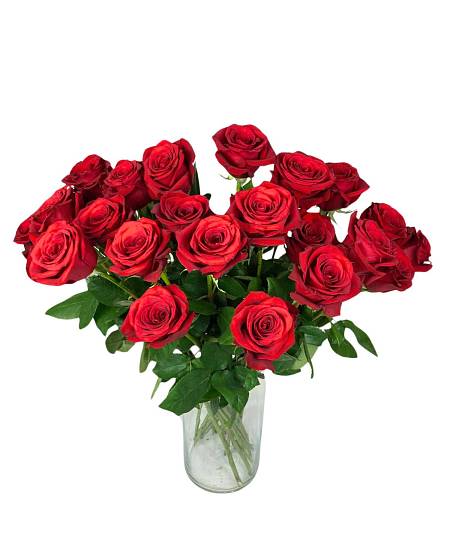
Sturdy stems work beautifully in a flower frog – lilies, chrysanthemums or roses.
Why use a Kenzan instead of a vase?
-
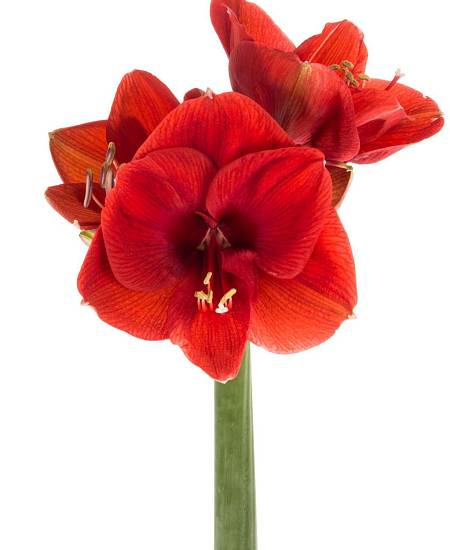
Stability: The heavy base holds even large branches or heavy blooms (like amaryllis), which would tip over in a regular vase.
-
Airiness: You don't have to crowd the flowers together to make them "hold." A Kenzan lets you place each flower individually and create a minimalist, airy arrangement.
-
Eco-friendly: No plastic, no waste. The metal frog lasts forever.
How-to: Arranging with a Kenzan (Step by step)
Working with it is meditative. But there are a few tricks to know, so you don't prick your fingers and your flowers actually drink water.
-
Choosing a container: You need a bowl with a flat bottom (ceramic, glass). Place the Kenzan inside it.
-
Water: The water level should reach just above the tips of the spikes.
-
Cutting the stems: This is the key part!
-
Straight cut: For a Kenzan, cut stems straight (not at an angle like for a vase) so they pierce the spikes more easily.
-
Hard stems (roses, branches): If the stem is woody, cut a cross into the bottom (split it) so it slides onto the spikes more easily.
-
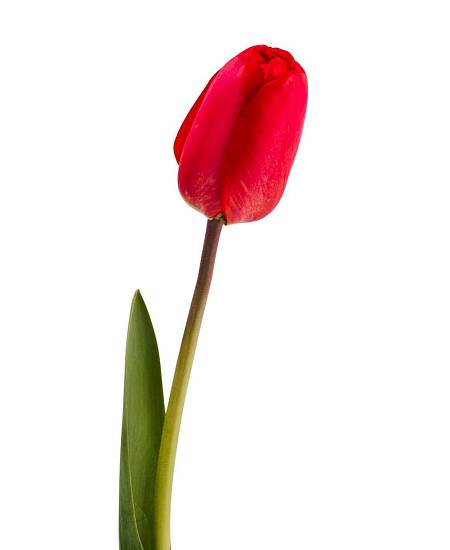
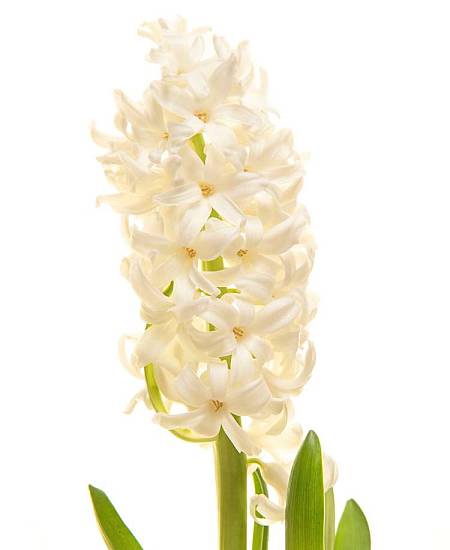
Soft stems (tulips, spring bulbs): Push them on very gently so you don't tear the stem.
-
-
Composition: Start with the main (tallest) flowers, placed in the centre or slightly toward the back. Gradually add lower plants and greenery around the edges to hide the metal base of the frog.
Florist's tip: "What do you do if a stem is too thin and won't hold in the frog? Don't give up. Cut a piece of a thicker stem (from another plant, for example), slide the thin stem inside it, and only then push the whole thing onto the spikes. It works like a 'reducer.'"
History: From Samurai to Modern Design
The history of the Kenzan goes back to the 15th century and is tied to the Japanese art of Ikebana ("living flowers"). In Ikebana, it's not just about decoration, but about expressing harmony between heaven, earth and people.
Legend has it that the modern shape of the flower frog was invented by the Japanese artist Ogata Kōrin. He was inspired by a tool that geishas and hairdressers used to create elaborate hairstyles. Bamboo grids were originally used, but metal spikes made it possible to arrange flowers at much bolder angles.
How do I care for it?
A Kenzan is made of rust-resistant metals (brass, lead, steel), so it won't rust in water.
-
Cleaning: After use, take it out, rinse it and clear any plant debris from between the spikes with an old toothbrush.
-
Straightening: If the spikes bend (for example, from a heavy branch), carefully straighten them with pliers or a hollow tube (often included with more expensive Kenzans).
Try creating your own Ikebana at home. All you need is a bowl, a flower frog and a few flowers from us.
CHOOSE CUT FLOWERS FOR YOUR CREATION >
The KvětinyExpres.cz Team
