How to Care for Cut Flowers: A Complete Guide from Our Experts
Want to know how to look after a bouquet so it brings you joy for as long as possible? Cut flowers are a living decoration that deserves the best care. We often hear the sigh: "My flowers at home always die right away." But in 90% of cases, it's not the quality of the flower itself — it's a small mistake in the care that follows. We've put together tried-and-tested tips straight from our florists' workshop – from the lead florists at KvětinyExpres.cz. But it all starts even before you fill the vase.
A tip from our owner Monika (guarantor of A1 quality and plant care): "The lifespan of a cut flower is half determined by what it went through on its way to you. If a bouquet freezes in winter or steams up in an ordinary car in summer, it goes into temperature shock, its vascular bundles clog up, and once home it simply won't take up water anymore. We eliminate that risk completely. All our seasonal flowers and bouquets and gift birthday bouquets are delivered exclusively in our own air-conditioned Airway vehicles. Whether you choose premium red roses, or put together cut flowers by the stem, you have a 100% guarantee they'll arrive at the right temperature and at full strength."
Reliable gift service and freshness guarantee:
✅ Protection against cold and heat: Delivery in Airway refrigerated vehicles.
✅ Professional flower food to extend lifespan, free with every bouquet.
✅ Express delivery within 120–180 minutes (Prague, Brno, Ostrava, Olomouc, Plzeň).
✅ FREE shipping on purchases over 1,299 CZK.

7 essential steps to make your bouquet last longer
Whether you have a single-variety bouquet at home or a rich mixed arrangement, these 7 rules always apply without exception:
1. Prepare the vase (Clean as a dinner plate)
Bacteria are the biggest enemy of cut flowers. If you only rinse the vase quickly, bacteria remain on the walls, multiply immediately, and clog the stems. Always wash the vase thoroughly with hot water and a drop of dish soap (or a drop of bleach) for complete disinfection.
2. Cut the stems (Leave the scissors in the drawer)
A sharp knife is the basis of good care. Before placing stems in the vase, cut each one 2–3 cm at a 45-degree angle. A diagonal cut dramatically increases the surface area through which the flower drinks. Don't use regular scissors – the pinching motion would crush the stem and clog its vessels.
3. Remove the lower leaves
Any leaves that would end up submerged under the waterline once the vase is filled must be carefully removed. This prevents them from rotting, which would instantly cloud and "poison" the water for the whole bouquet.
4. Use professional flower food
Always add the sachet of flower food you receive with every order to the water. It's not just plain sugar – it contains substances that provide energy for buds to bloom while continuously disinfecting the water. (Want to know how water temperature and pH affect hydration? Read our specialized article The Science of Water for Cut Flowers).
5. Change the water regularly
Change the water in the vase every 2 days for fresh, cold water. If for some reason you're not using flower food, change it strictly every day. Along with changing the water, always rinse the stems and trim them a little shorter again with a diagonal cut.
6. Choose the right location
Place the bouquet in a cooler spot out of direct sunlight and away from drafts. Also watch out for hot or, conversely, icy dry air from air conditioners and fans – direct airflow dries out the petals instantly.
7. Watch out for fruit (The silent flower killer)
Ripening fruit (especially apples, bananas, or tomatoes) naturally releases ethylene gas into the surrounding air. This acts as a plant aging hormone. If you place the vase next to a fruit bowl, your bouquet will wilt and drop its petals in no time.
Our florists' tips for specific flowers
Some flowers are a bit of a "prima donna" and need specific handling. Here are expert tricks from our colleagues to extend their life:
-
Roses: Plenty of water and cleanliness (Monika's advice): "Roses are incredibly thirsty. I recommend filling the vase with water up to two-thirds of their height. If a rose starts to sadly 'hang its head', it likely has an air bubble trapped in the stem. Submerge the whole rose lengthwise in a bathtub or sink filled with cold water, re-cut it underwater, and let it rest there for an hour. The tissues rehydrate and the rose miraculously perks back up."
-
Gerberas: Watch out for rot (Bára's advice): "Gerberas have soft, slightly fuzzy stems that rot extremely quickly in water. Unlike roses, they only need a really shallow water level in the vase – about 3 to 5 centimeters at the bottom. Feel free to change their water every single day."
-
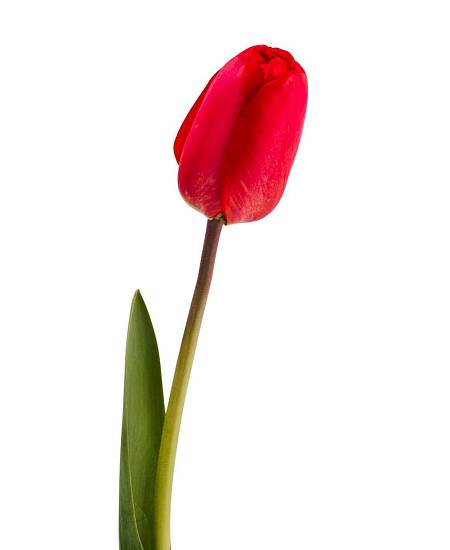
Tulips: They keep growing in the vase (Andrea's advice): "Tulips are fascinating because they keep growing in the vase and stretch toward the light. Keep that in mind when choosing your vase height. If they wilt at home, wrap them tightly in newspaper, trim them fresh, and place them in ice-cold water in a dark spot for a few hours. They'll beautifully straighten back up."
-
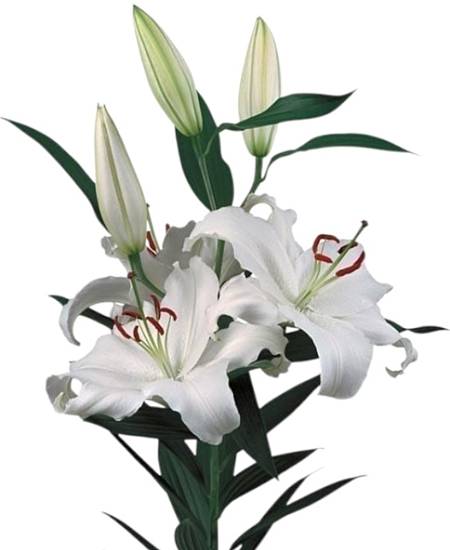
Lilies: Watch out for staining (Bára's advice): "Lilies are gorgeous and luxurious, but they have one treacherous trait – pollen. As soon as the individual blooms open, I recommend carefully snipping off the orange anthers in the center of the flower with small scissors. That's because the pollen falls and stains clothing and tablecloths extremely intensely. It's then very hard to wash out of fabric."
-
Daffodils and stocks: "Toxic" sap (Andrea's advice): "Spring flowers like daffodils or stocks (Matthiola) release a thick sap from the stem once cut. This sap reliably clogs the stems of other flowers (roses especially) in a mixed bouquet. If you're arranging them together, first let the daffodils 'weep it out' for an hour in a separate vase, pour that water away, wipe the stem, and only then add them to the rest."
PROFESSIONAL TIP: The hot-water trick for woody stems
Our design florist Bára advises: "With flowers that have hard, woody stems, like sunflowers, hydrangeas, or lilac, it happens that they don't take up water well. A shock 'scalding' helps them. Right after cutting diagonally, submerge the end of the stem (just the bottom 1–2 cm) in boiling water for 10 seconds. This instantly expands the tissue, releases the milky sap and air bubbles, and the flower immediately starts drinking perfectly."
Proper care for cut flowers isn't rocket science – you just need to know the right florist techniques. Choose your dream bouquet from us and apply these steps – you'll see it will bring you joy for an incredibly long time.
Get inspired by our range of hand-tied gift bouquets
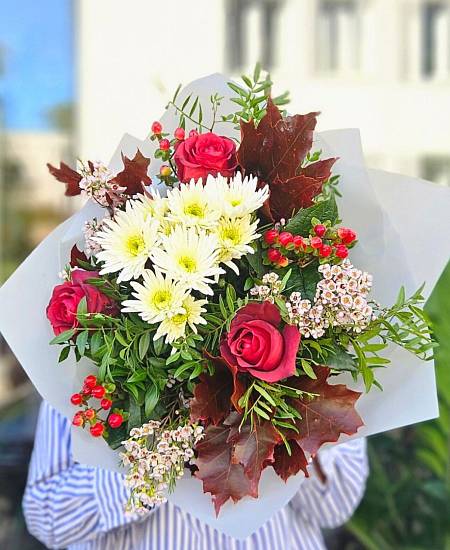
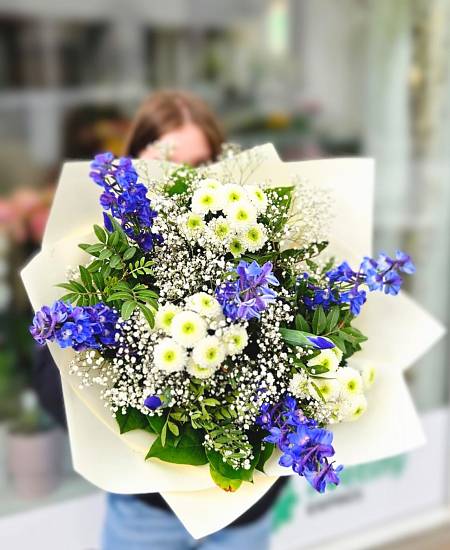
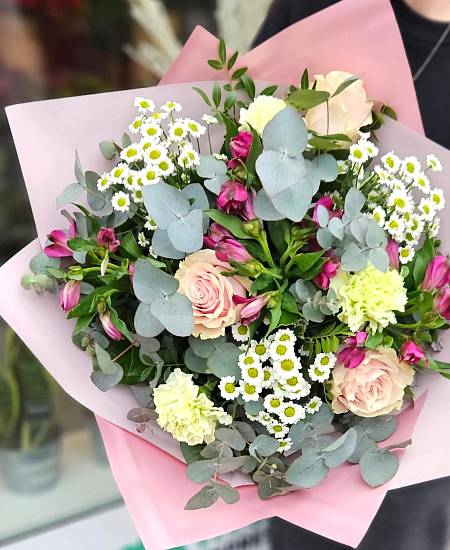
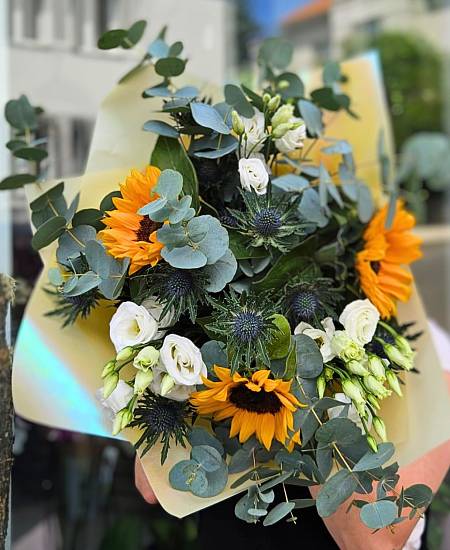
Want to try these florist tricks in practice, or bring joy to someone close to you? Our florists tie original bouquets from the freshest summer flowers for you with love, every day.
Your KvětinyExpres.cz team