Author: florist Jana, KvětinyExpres.cz · Updated: October 2026
All Souls' Day 2026 is on Monday, November 2. All Saints' Day is the day before, on Sunday, November 1, and Halloween is on Saturday, October 31. All Souls' Day (Dušičky) commemorates all the dead, All Saints' Day all the saints, and Halloween is originally a Celtic festival. Below you will find the traditions, the differences and practical advice on what to put on a grave.
Halloween (October 31)
Halloween is celebrated on the night of October 31 into November 1. Its roots go back to the Celtic festival of Samhain, with which the Celts said farewell to summer and welcomed the new year. According to their beliefs, the boundary between the world of the living and the dead faded that night. People lit large bonfires and put on disguises to protect themselves from evil spirits. Today Halloween is celebrated mainly in Anglo-Saxon countries (the USA, Canada, the UK, Ireland, Australia, New Zealand) and gradually here in the Czech Republic too.
The best-known decoration is a carved pumpkin with a candle inside, and children go trick-or-treating in costumes. You will find floral decorations, such as a pumpkin used as a vase or a wreath for the door, in the article Floral Arrangements for Halloween.

All Saints' Day (November 1)
All Saints' Day honors all saints, not only those the Church has officially declared saints (canonized). Western Christians celebrate it on November 1, while the Eastern churches celebrate it on the first Sunday after Pentecost. The day entered Christian tradition in the 7th century and is celebrated today by both the Roman Catholic and the Orthodox Church.
In many countries, for example Austria, Poland or Slovakia, November 1 is a public holiday and a day off. In the Czech Republic it is not a public holiday.

All Souls' Day (November 2)
All Souls' Day, in Czech Dušičky, commemorates all the departed. The introduction of the feast is associated with Abbot Odilo of the Benedictine monastery of Cluny in France. The original tradition is connected with the Catholic belief in purgatory, where the souls of the dead go to be cleansed of lesser sins. Prayer and works of mercy could ease their punishment.
According to folk tradition, on the eve of All Souls' Day the souls of the departed rose from purgatory for one night. In Bohemia, the farmer filled the lamp with butter instead of oil so that the souls could soothe their burns. From the 19th century onward graves have been decorated more lavishly: wreaths, cut and potted flowers are laid and candles are lit. With this act of remembrance we think of the loved ones we carry in our hearts.
If you would like flowers or a wreath delivered to a cemetery, order in good time. We deliver directly to the place in Prague and the surrounding area.
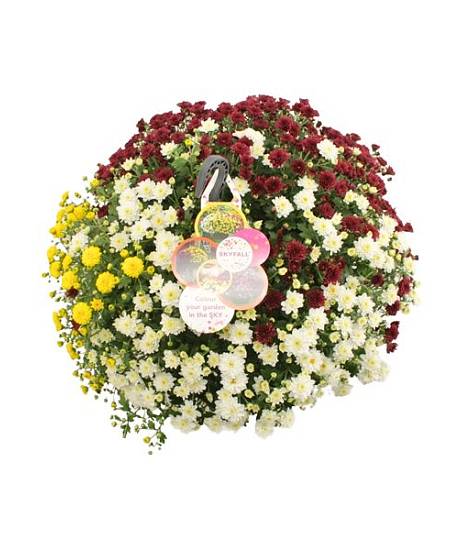
Tip from florist Jana (specialist in funeral and All Souls' Day arrangements): "The best flowers for a grave are those that withstand cold and damp, which is why chrysanthemums are traditionally popular for All Souls' Day. When you order delivery, please tell us the cemetery, the grave number and, where relevant, the section, so that the bouquet reaches the right place."
✅ Flowers in premium A1 quality.
✅ Delivery straight to the cemetery in Prague and the surrounding area.
You will find practical advice on choosing in the guide How to Choose Flowers for All Souls' Day. Our chrysanthemums are in the Chrysanthemums category, ready-made funeral bouquets and funeral wreaths have their own categories, and live seasonal bouquets are in the Autumn bouquets category.
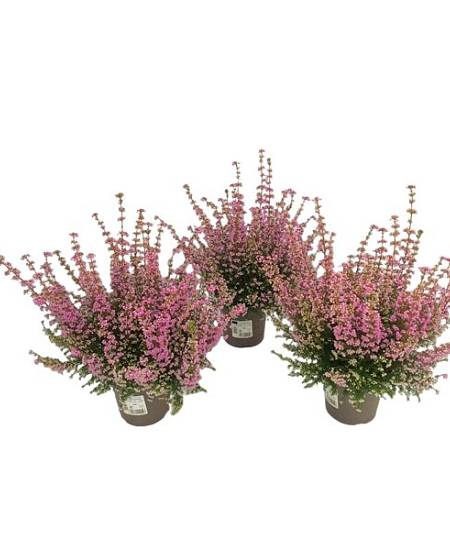
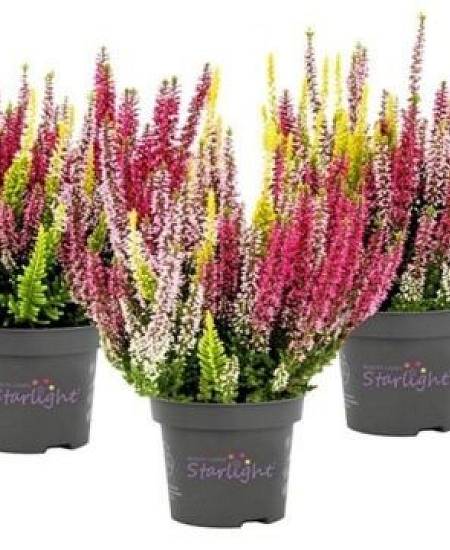
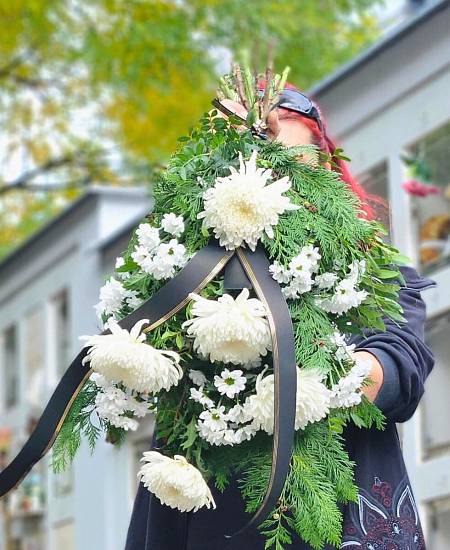
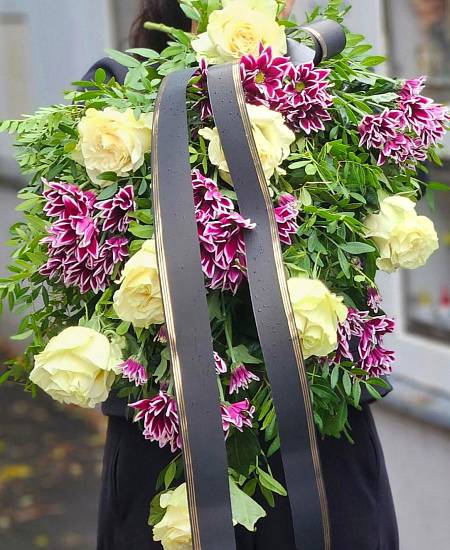
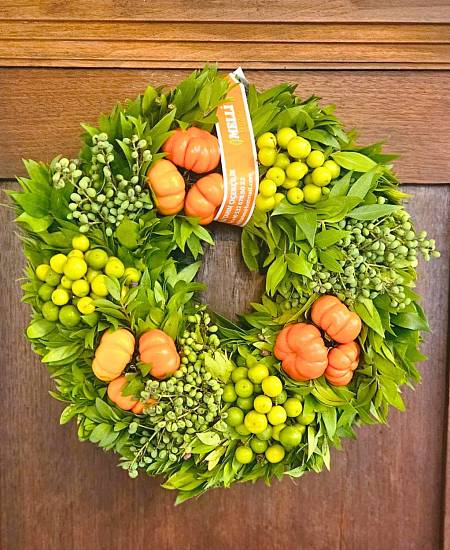
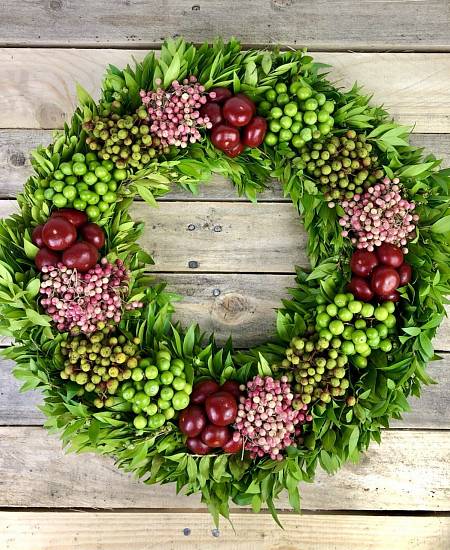
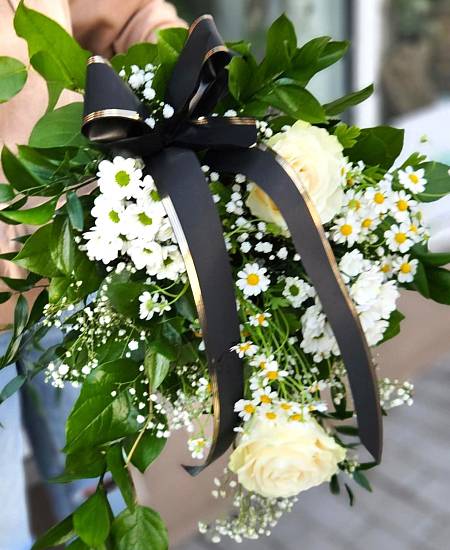
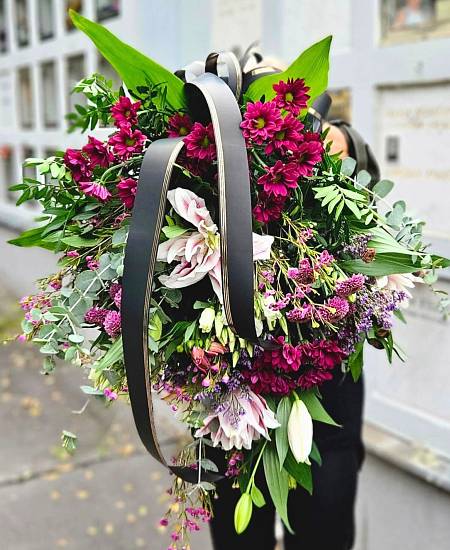

All Souls' Day customs: the cemetery, candles and baked goods
The heart of All Souls' Day is a visit to the cemetery, a prayer for the dead, decorating graves and lighting candles. According to a 2013 STEM/MARK survey, more than half of people visit a cemetery around All Souls' Day, but only about one in ten does so on the day itself. Almost ninety percent bring candles to the grave and more than half lay wreaths.
According to Cardinal Miloslav Vlk, fresh flowers symbolise faith in eternal life. In cold weather, artificial or dried flowers, which last longer, are also often placed on graves.
All Souls' Day baking
Traditionally people baked "bones of the saints", that is rolls or buns shaped like bones. In the early 20th century carol-style singers in South Bohemia went from door to door asking for baked goods (around Český Krumlov this was called "going for the rolls"), and the poor, pilgrims and beggars received pastry called "dušičky" at the church. In the Doudleby region larger "All Saints' rolls" were baked.
Safety at the cemetery
Around All Souls' Day, according to the police, thefts of wreaths, candles and lanterns and break-ins to cars in cemetery car parks become more frequent. The police advise extra caution, especially for seniors.
What to put on a grave for All Souls' Day
The best choice is flowers that withstand cold and damp, which is why chrysanthemums are traditionally popular for All Souls' Day. You can choose a laid-down bouquet, potted chrysanthemums or a more lasting decoration, such as an autumn or artificial wreath, and a candle is traditionally lit with the decoration. You will find a practical guide in the article Flowers for All Souls' Day: what to put on a grave and ready-made bouquets and wreaths in the Funeral bouquets and wreaths category.
Frequently Asked Questions About Halloween, All Saints' Day and All Souls' Day
When are Halloween, All Saints' Day and All Souls' Day in 2026?
Halloween is on Saturday, October 31, All Saints' Day on Sunday, November 1, and All Souls' Day on Monday, November 2, 2026.
What is the difference between All Souls' Day and All Saints' Day?
All Saints' Day (November 1) honors all the saints. All Souls' Day (November 2) commemorates all the departed. In Czech tradition graves are decorated and visited around both days.
Is All Souls' Day a public holiday?
No. In the Czech Republic neither November 1 nor November 2 is a public holiday or a day off.
What is All Souls' Day?
All Souls' Day (Dušičky), the Commemoration of the Faithful Departed, remembers all the dead. It is celebrated on November 2, in 2026 on a Monday.
When are graves decorated and visited?
In Czech tradition, graves are decorated and visited around All Saints' Day (November 1) and All Souls' Day (November 2). Since the 19th century wreaths and flowers are laid and candles are lit.
What should I put on a grave for All Souls' Day?
Preferably flowers that withstand cold and damp, traditionally chrysanthemums, plus a laid-down bouquet, a wreath or potted chrysanthemums. A candle belongs with the decoration.
Can you deliver a wreath or bouquet straight to the cemetery?
Yes, in Prague and the surrounding area we deliver a wreath or bouquet directly to the place. Just give us the exact details of the location.
Why do we light candles on All Souls' Day?
Lighting candles is one of the most widespread All Souls' Day customs. According to a 2013 STEM/MARK survey, almost ninety percent of people bring them to the grave. A candle is understood as a sign of remembrance of the dead.
What is baked on All Souls' Day?
Traditionally "bones of the saints", that is rolls or buns shaped like bones. In the Doudleby region larger "All Saints' rolls" were baked.
What did folk tradition say about souls on the eve of All Souls' Day?
According to folk belief, souls rise from purgatory on the eve of All Souls' Day to rest. Relatives therefore put butter in the lamp so the souls could soothe their burns, and cold milk was meant to cool the souls. This is a folk superstition, not church teaching.
Is it safe to leave wreaths and lanterns on a grave?
Around All Souls' Day, thefts of wreaths, candles and lanterns from graves and break-ins to cars in cemetery car parks increase. The police advise extra caution, especially for seniors.
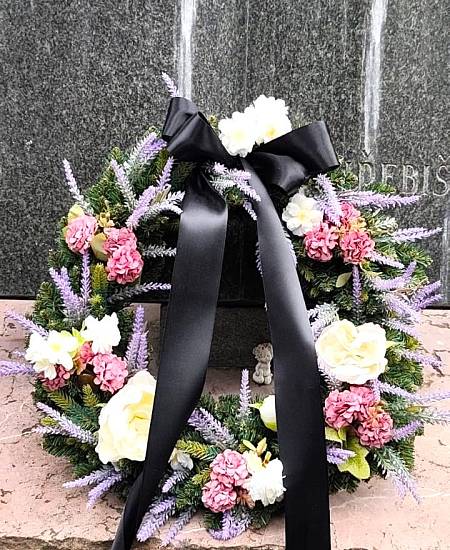
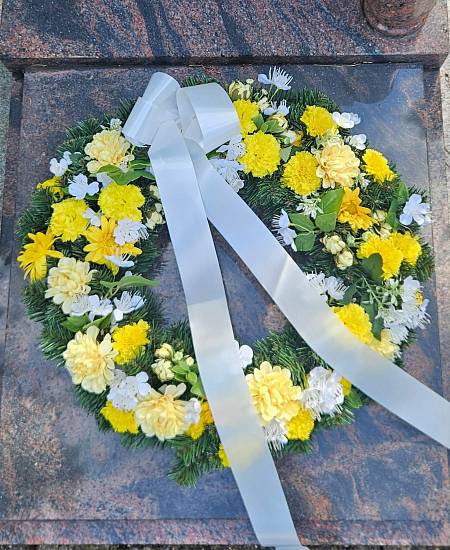
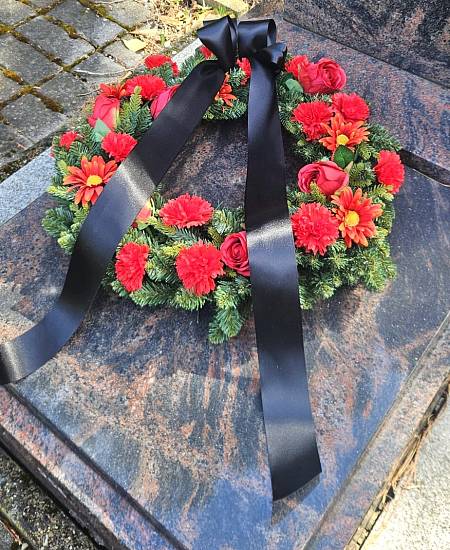
Artificial wreaths for the grave
Team KvětinyExpres.cz
