Author: Monika, owner of KvětinyExpres.cz · Updated: August 2026
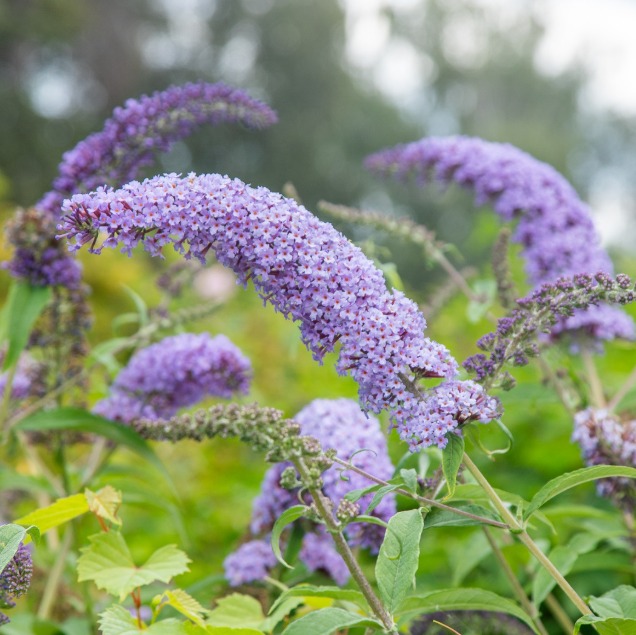
The butterfly bush (botanically Buddleja davidii) is one of the most rewarding and fastest-growing ornamental shrubs you can have in a garden. Its long, fragrant panicles of flowers in shades of purple, pink, white, and yellow bloom from June right up until the first frosts — and as the name suggests, they literally draw in swarms of butterflies and bees.
Tip from Monika: "Gardening is my second passion right after floristry, and I grow the butterfly bush myself — it's one of the few plants that forgives you even when you forget to water it. If you enjoy growing things as much as I do and want to bring a bit of nature home too, take a look at our low-maintenance houseplants — they work on a similar principle to the butterfly bush: very forgiving, and rewarding even with minimal care."
Why Is It Called a Butterfly Bush?
The butterfly bush's flowers produce a large amount of intensely scented nectar that butterflies (especially vanessids and swallowtails) can detect from a great distance. If you want to attract pollinators to your garden and turn it into a little oasis for insects, the butterfly bush is one of the most reliable choices there is.
1. Location and Soil: An Undemanding Plant
The butterfly bush is so rewarding precisely because it tolerates almost anything. That said, it thrives best in:
- A sunny spot: The more sun, the more abundant the flowering. In shade, the shrub thins out and flowers considerably less.
- Well-draining, even poorer soil: It doesn't mind dry, stony soil — in fact, in soil that's too rich and waterlogged, it grows disproportionately vigorously at the expense of flowers.
2. Watering and Feeding
Once established, the butterfly bush is very drought-tolerant and handles longer dry spells without watering just fine. Water it regularly mainly in the first year after planting, until it develops a deeper root system. Feeding isn't necessary — an overfed plant produces more leaves at the expense of flowers.
3. Pruning: The Key to Abundant Flowering
This is the single most important part of caring for it. The butterfly bush flowers on new growth — shoots that grow only in the current season:
- Don't be afraid of a radical cut: In spring (March or April, before the shrub leafs out), cut it back hard — right down to 30–50 cm above the ground.
- The harder the cut, the more abundant the flowering: An unpruned butterfly bush quickly turns woody, sparse, and only flowers at the branch tips. A regular hard prune, by contrast, encourages plenty of new shoots — and with them, far more flowers.
- Remove spent flowers as you go: If you manage to cut off the spent flower clusters throughout summer, the shrub will put out another wave of buds and bloom for longer.
4. Overwintering
The butterfly bush is fully frost-hardy in our conditions and needs no special winter protection. Any frost-damaged branch tips are simply removed the following spring along with everything else during the main pruning.
5. Is the Butterfly Bush Invasive?
In some countries (the UK, for example), the butterfly bush is considered an invasive species because it self-seeds so readily. That's not yet a major problem in Czech gardens, but if you don't want the shrub spreading uncontrollably into the surrounding area, it's a good idea to cut off the seed heads after flowering before they ripen and self-seed.
The butterfly bush is a great choice if you want a garden that's full of life — and if a flowering giant for your garden or as a gift appeals to you too, take a look at our hydrangeas.
Summer Bouquets Inspired by the Garden
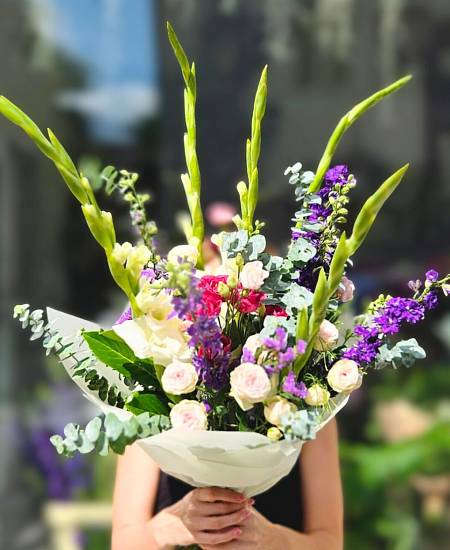
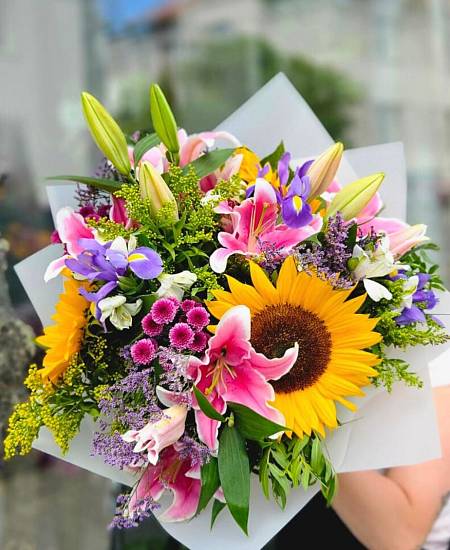
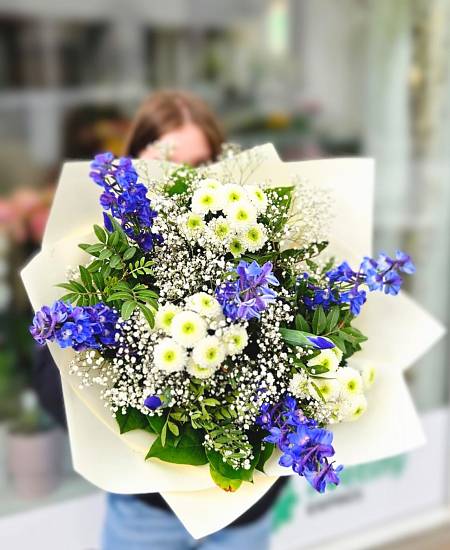
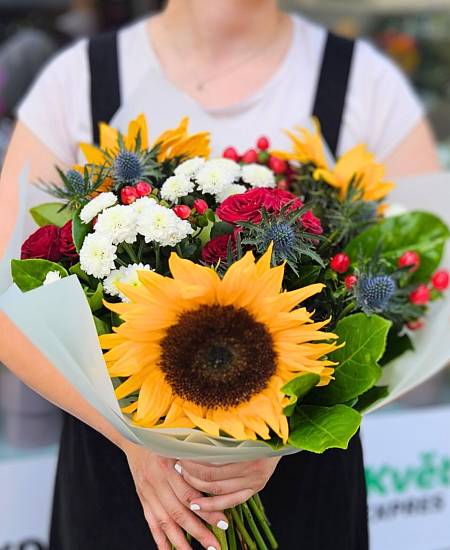
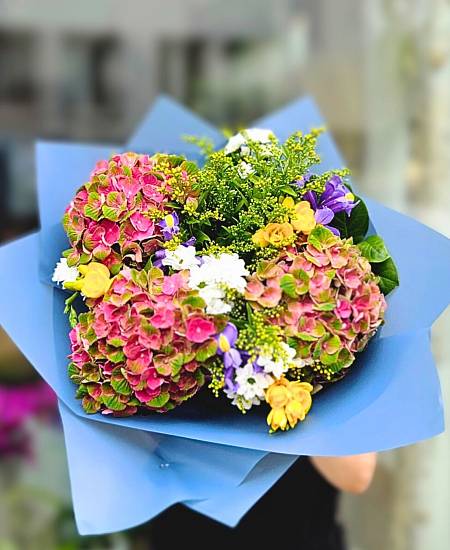
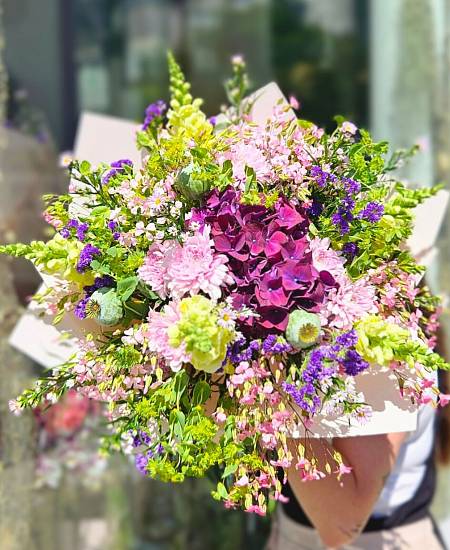
If the butterfly bush's rich colors have won you over, take a look at our summer bouquets too — just as abundant and full of life as summer in the garden.
Monika, KvětinyExpres.cz