Analysis of the Poem "Kytice" (K. J. Erben): A Study Cheat Sheet and the Magic of Wild Thyme
If you're reading this article, you're probably facing an exam, a class presentation, or you simply love Czech classic literature. Karel Jaromír Erben and his collection Kytice (A Bouquet of National Legends) (1853) is an absolute cornerstone of Czech literature.
We at KvětinyExpres.cz aren't literary historians, but we do understand flowers. And Erben's opening poem, "Kytice" ("The Bouquet"), is the most beautiful proof that a flower isn't just a plant – it's a bearer of memory, love, and soul.
We've put together a brief, clear analysis to help you shine at your exam.
What Is the Poem About? (The Plot in Brief)
Unlike the horror-tinged The Water Goblin or The Noonday Witch, the opening poem "Kytice" is very calm and melancholic.
-
A mother dies, leaving her children orphaned.
-
Every morning, the children go to her grave and weep.
-
The mother takes pity on her children, and her soul is reincarnated into a tiny flower on the grave mound.
-
The children recognize their mother in the little flower and name it "mateřídouška" – literally "mother's breath/soul," the Czech name for wild thyme.
Tip for top students: At your exam, emphasize the word's etymology. Erben plays with it beautifully: "mateří-douška" splits into "matčina duše" (the mother's soul/breath). The flower functions here as a bridge between the world of the living and the dead.
Flowers Have Memory (Our Floristry Corner)
Erben knew what we florists know too. A flower is the strongest symbol there is. It can express what words cannot – grief, love, an apology, or a memory.
In Erben's world, a soul turns into wild thyme. In our world, we use the language of flowers to pass emotions on to the living. While we don't stock reincarnated souls (and that's probably for the best!), we do have bouquets that say "Thank you" or "I miss you" just as powerfully.
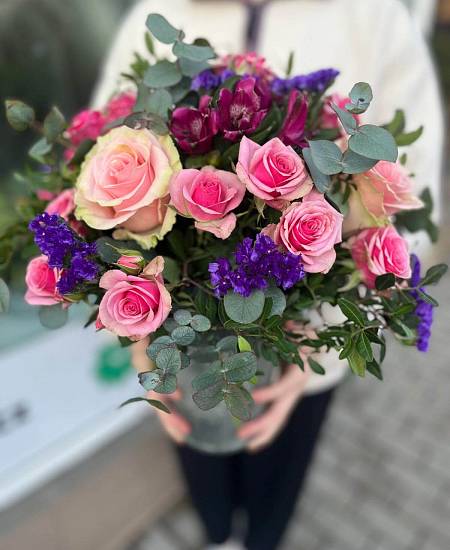
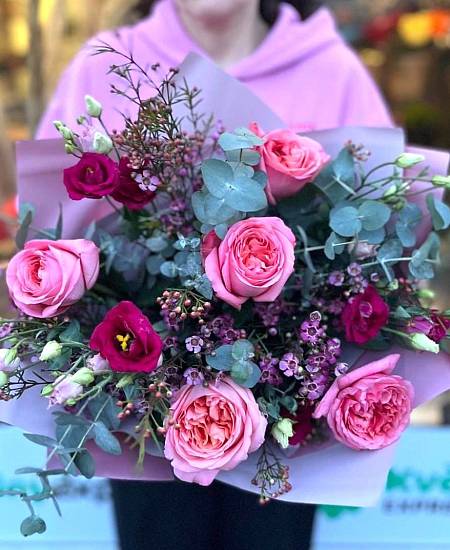
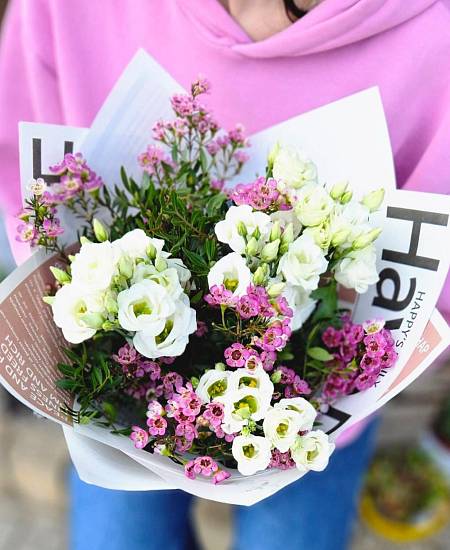
Flowers That Tell Stories:






Literary Theory (A Brief Cheat Sheet)
-
Author: Karel Jaromír Erben (a representative of Czech Romanticism, though unlike Mácha he puts the emphasis not on the individual, but on order and fate).
-
Type and genre: A lyrical-epic poem (with balladic traits, though it ends on a reconciliatory note).
-
Verse and rhyme: Simple, regular, inspired by folk song (often using a couplet rhyme scheme, AABB).
-
Language: Uses diminutives (kvítí – "little flower," dítky – "little children"), archaisms, and symbols.
Excerpt With Explanation
"And the mother took pity on her dear children; her soul returned and was embodied in a small-leaved little flower..."
Here we see Erben's typical fatalism – things don't happen by chance. Nature has its own order and justice. The mother didn't die "forever," she merely changed the form of her existence so she could keep fulfilling her role.
Conclusion for Students
When you talk about Kytice, don't forget to mention that it isn't just a book of spooky legends. It's a collection about relationships, guilt and punishment, and above all about the human soul hidden within nature.
And if you pass your exam (which we believe you will!), treat yourself to a bouquet as a reward. Maybe not wild thyme, but a proper bunch of roses.
Wishing you the best of luck on your exams, the KvětinyExpres.cz Team
