Lesser Celandine (Ficaria verna) – A Spring Flower Packed With Vitamin C and Medicinal Properties
Lesser celandine (Ficaria verna), commonly known simply as celandine, is a beloved medicinal plant that announces the arrival of spring every year. Its bright yellow flowers are among the earliest spring decorations of meadows, gardens, and forest edges, often appearing as early as March. Beyond its aesthetic appeal, celandine is also notable for its medicinal properties and rich vitamin C content, making it a valuable herb in traditional medicine.
Botanical Characteristics
Lesser celandine belongs to the buttercup family (Ranunculaceae). It's a low-growing perennial herb that reaches a height of 10–15 cm. Its flowers are small, glossy, and have 8–12 yellow petals. Celandine's leaves are heart- to kidney-shaped, distinctly dark green, and glossy. After blooming, celandine dies back into the soil, where it survives the winter in the form of small underground tubers.

How to Properly Grow Lesser Celandine?
-
Location: It grows best in partial shade to full shade, for example beneath deciduous trees or shrubs.
-
Soil: It prefers moist, humus-rich, well-draining soil.
-
Watering: The soil should be slightly moist, but be careful not to overwater it, as this can cause the tubers to rot.
-
Propagation: It spreads easily via seeds or small underground tubers, allowing it to naturally expand throughout a garden or meadow.
Medicinal Uses of Lesser Celandine
In folk medicine, celandine has a long tradition, mainly thanks to its healing and anti-inflammatory properties. It was most commonly used to treat hemorrhoids, skin inflammation, and to soothe skin irritation. Young, freshly picked leaves formed the base of ointments, compresses, and creams that helped calm irritated skin and speed up wound healing.
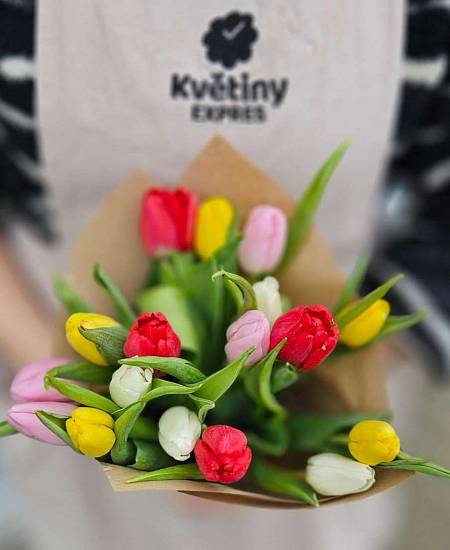
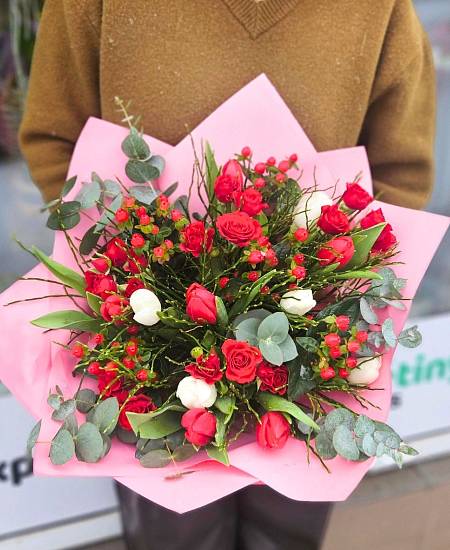
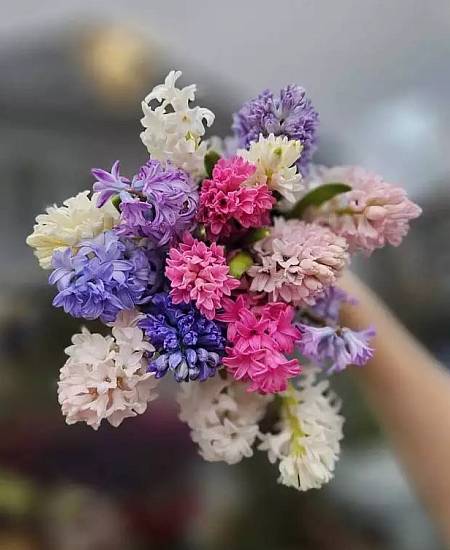
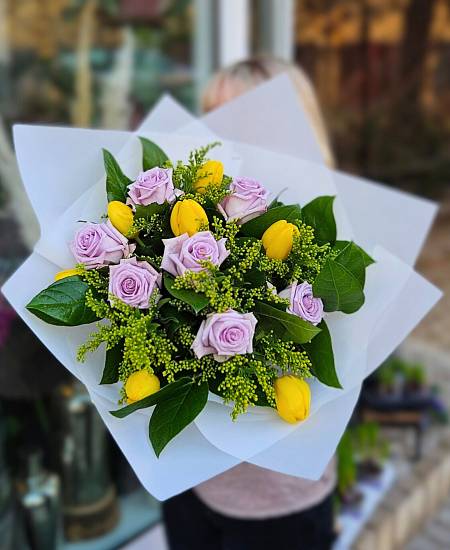
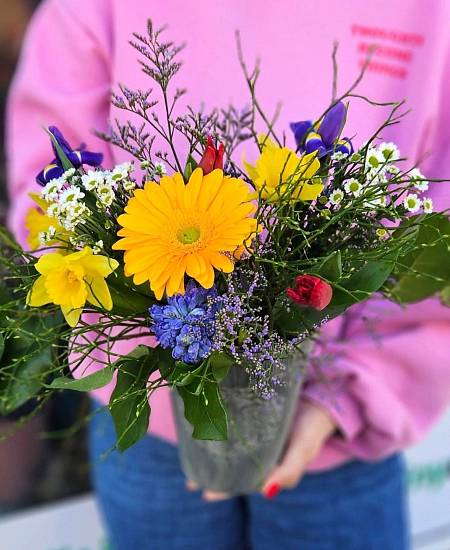
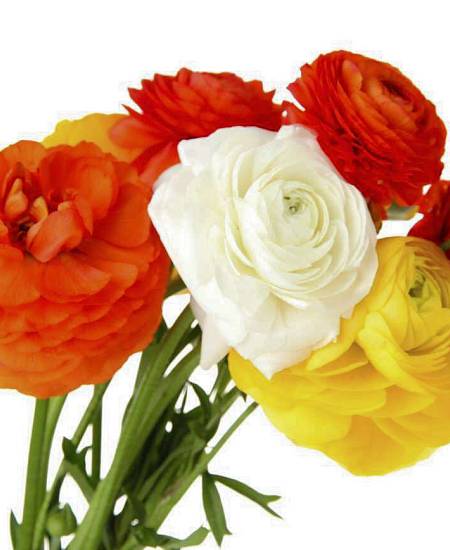
Spring Flowers and Bouquets
Vitamin C in Celandine Leaves
Lesser celandine is also known for its high vitamin C content, especially in its young leaves. Because of this, it was traditionally used as an important dietary supplement in spring, when few fresh crops were available. The leaves were added in small amounts to salads to help prevent spring fatigue and boost immunity after a long winter.
Caution: Although celandine has medicinal properties, it also contains toxic substances. It should never be consumed in large amounts without professional consultation.
More Fun Facts About Lesser Celandine
-
Celandine is a very valuable nectar plant, providing bees with their first source of food at the very start of spring.
-
The plant's name is said to come from the Latin word "aurum," meaning gold, referencing its bright yellow flowers.
-
In folklore, the plant was a symbol of renewal and new beginnings, associated with spring and nature's awakening.
Lesser celandine is therefore not just a beautiful garden decoration, but also a plant with rich historical significance, medicinal properties, and practical uses in the past. Its presence in a garden brings not only aesthetic but also ecological benefits.
Team KvětinyExpres.cz
