Flowers as a Universal Language: Symbolism From Japan to Brazil
Flowers speak a language the whole world understands, yet every culture has its own "dialect." While for us the chrysanthemum is associated with All Souls' Day, in Asia it's a symbol of life. Join us on a journey into the fascinating world of flower symbolism, and discover how respect, love, or spiritual awakening are expressed in different corners of the planet.

Asia: Spiritual Depth and Impermanence
In Asian cultures, flowers often carry a deep religious and philosophical undertone. It's not just about decoration, but about expressing the cycle of life.
-
Japan: The Land of the Rising Sun is famous for the Hanami festival (literally "flower viewing"). When the cherry blossoms (sakura) bloom, thousands of people head to the parks. These blooms symbolize beauty, new beginnings, but also the impermanence of life — reminding us to cherish every moment. The lotus is also significant, a symbol of purity and spiritual awakening.
-
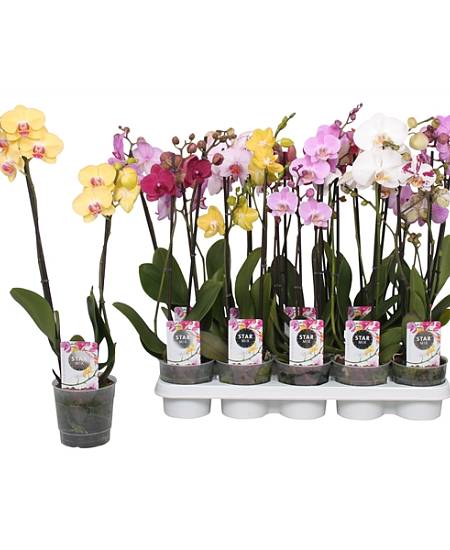
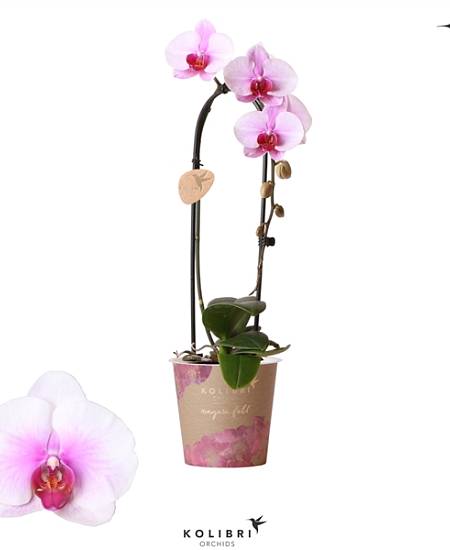
China: Here, elegance belongs to the calla lily (Zantedeschia). Often called the "Arum Lily," it's considered a symbol of nobility. Thanks to its shape, it's popular at weddings. Another treasure is the orchid, which in Chinese culture represents love, luxury, and fertility.
-
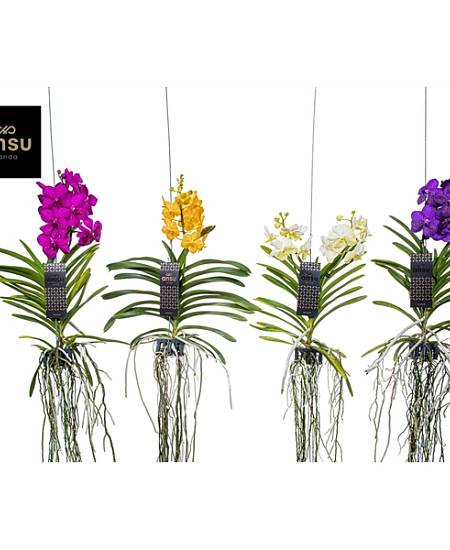
India: India is scented with jasmine. Women wear it in their hair as garlands (gajra) for good luck. At temples and celebrations, the orange blooms of the marigold and the sacred lotus, closely tied to Hinduism and Buddhism, are essential.
Latin America: Passion and Roses
If we move to South America, the language of flowers becomes more passionate and expressive.
-
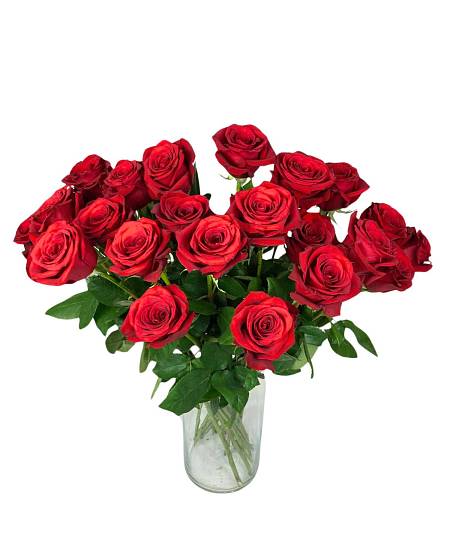
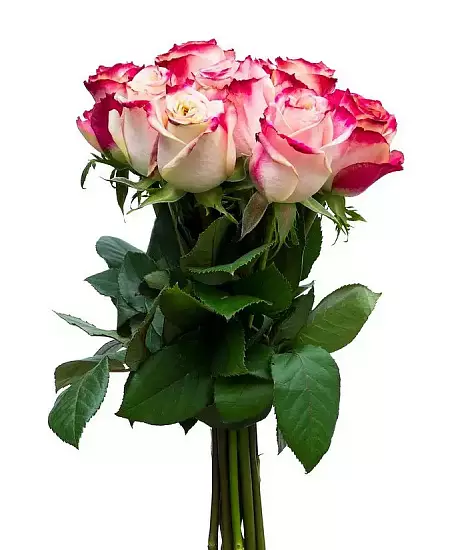
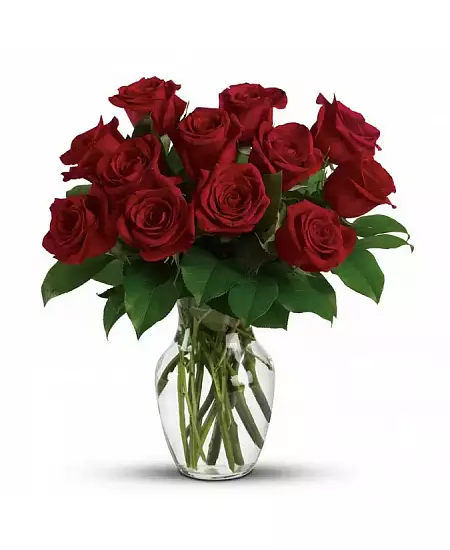
The kingdom of roses: Countries like Ecuador and Colombia are global powerhouses in growing roses. This is often where the finest large-headed blooms come from. Here, roses symbolize not only romantic love, but also deep friendship.
-
A day of love and friendship: An interesting tradition is "Día del Amor y la Amistad." It's the Latin American equivalent of Valentine's Day, but it places equal emphasis on friendship as on romance. So a red rose here doesn't necessarily mean just a declaration of love, but can also be gratitude toward a friend.
Africa and the Middle East: Resilience and the Exotic
In hot-climate regions, people value flowers that are hardy and yet wonderfully fragrant.
-
South Africa: National pride here belongs to the protea. This exotic flower, with its unusual shape and stiff petals, symbolizes courage and the diversity of nature.
-
The Middle East: Here, scent takes center stage. Jasmine and tuberose are beloved for their intense aroma, which drifts through gardens even on hot nights. The bougainvillea is also very popular, decorating house facades with its rich colors and symbolizing hospitality.

European Roots: History and Folklore
Even in Europe, the language of flowers has deep roots, reaching back to the Celts and the ancient Slavs.
-
Russia: The guelder rose (Viburnum) holds a strong place. Its white blooms and red berries often appear in folk songs as a symbol of beauty and the pure soul of Russia.
-
The Celts: The ancient Celts revered trees and plants. The oak was a sacred tree of strength, and the poppy was associated with the cycle of life and death. Ivy, for example, had a protective function and was used in amulets.
What's the takeaway? Flowers are a universal gift, but choosing the right one can say far more than it seems at first glance. Whether you reach for an exotic orchid with a touch of Asia, or a classic red rose with South American passion, you're always conveying an emotion that needs no dictionary.
Team KvětinyExpres.cz
