The spring snowflake (Leucojum vernum) is one of the first heralds of spring, its delicate beauty and pure white flowers unmistakably announcing the end of nature's winter sleep. This small bulb flower is a favorite among gardening enthusiasts, but also among botanists and fans of nature reserves. Let's find out more about this gorgeous plant.
Characteristics of the Spring Snowflake
The spring snowflake belongs to the amaryllis family (Amaryllidaceae), and its flowers appear early in spring, often as early as February or March. Its defining feature is pure white, bell-shaped flowers with small greenish-yellow spots at the edges of the petals. The flowers sit on long, thin stems and usually reach a height of 15–20 cm. Its narrow, pointed leaves form dense clumps, which, combined with the flowers, create a picturesque look.
The spring snowflake is typically found in damp, shaded locations, such as floodplain forests, stream banks, or mountain meadows. It's a plant adapted to moist environments and requires well-irrigated soil.

The Spring Snowflake in Nature, and Conservation
The spring snowflake is a protected plant in many European countries, including the Czech Republic, where it's listed among the endangered species. Natural populations of spring snowflakes are threatened by habitat loss caused by wetland drainage, intensive agriculture, or construction.
In the Czech Republic, spring snowflakes can be found at several well-known sites, such as the nature reserve Bledule u Luže or the Třebíč region. Every year, these areas draw many visitors who want to admire the "white carpet" of spring snowflakes that forms there in spring.
The Spring Snowflake in the Garden: How to Grow It?
If you want to try growing spring snowflakes in your own garden, it's absolutely possible! Here are a few basic tips:
-
Location: The spring snowflake prefers partial shade to full shade, with moist soil. A garden corner beneath trees or near a stream is ideal.
-
Soil: It needs humus-rich, well-draining soil that stays moist without retaining excess water.
-
Planting: Plant the bulbs in autumn, roughly 8–10 cm deep, spacing them about 10 cm apart.
-
Care: In spring, spring snowflakes take care of themselves as long as they have enough moisture. After blooming, the leaves gradually turn yellow and die back into the soil. In autumn, you can add a bit of compost to nourish the plants.
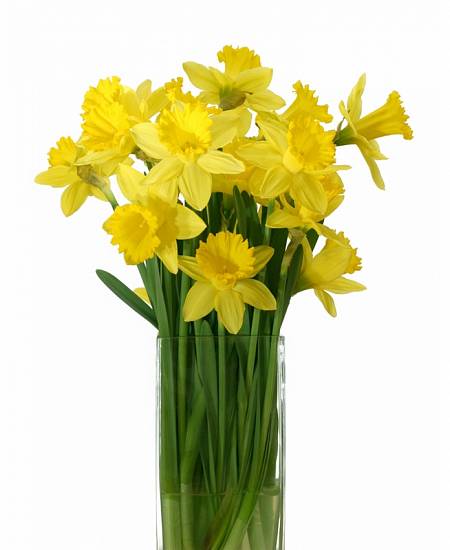
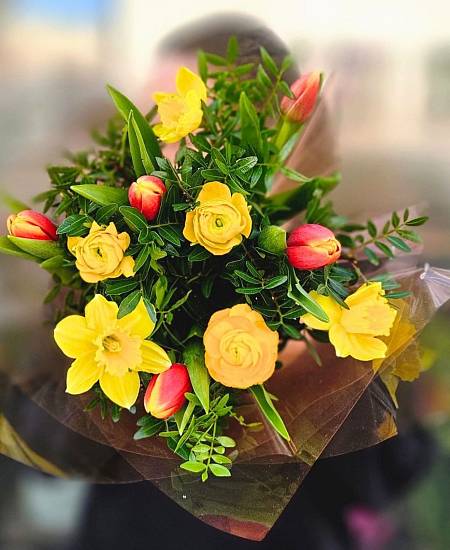
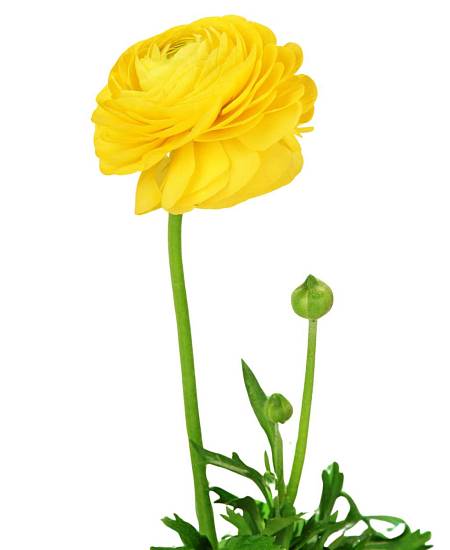
Spring Flowers and Bouquets



The Symbolism and Meaning of the Spring Snowflake
The spring snowflake symbolizes purity, hope, and a new beginning. Its delicate appearance and its ability to grow in damp, often harsh conditions remind us of nature's strength and the cycle of rebirth. Many consider it a harbinger of spring and the warmer days to come.
The spring snowflake is, quite simply, a true jewel of our forests and gardens. If you ever get the chance to see it in nature, be sure to stop and savor the moment – its beauty is fleeting, but unforgettable.
Buy spring flowers and bouquets at KvětinyExpres.cz
