Dutch Tulips: From "Tulip Mania" Madness to Your Vase
Say "Holland," and we picture windmills, cheese, and endless fields of tulips. Today this flower is an icon of the Netherlands, but did you know its roots reach all the way back to the wild plains of Central Asia?
Join us as we dive into a fascinating history where bulbs were once paid for in gold, and find out why Dutch tulips are the finest in the world.
The Journey From the Ottoman Empire to Amsterdam
Tulips aren't originally European. They arrived in Europe in the 16th century from the Ottoman Empire (present-day Turkey). Holland discovered their beauty around 1593 thanks to the botanist Carolus Clusius, who planted the first tulip garden in Leiden. He found that the damp, cool Dutch climate and sandy soil suited them better than anywhere else.

Tulip Mania: When a Bulb Cost as Much as a House
In the 17th century, during the so-called "Golden Age," tulips became a symbol of absolute luxury and status. Demand for rare, striped varieties triggered what economists today call the world's first speculative bubble – Tulip Mania.
-
The peak of the madness (1637): Bulb prices soared sky-high. People sold off their property just to be able to invest.
-
Semper Augustus: The legendary red-and-white striped variety. A single bulb could buy an estate, or a luxury house on an Amsterdam canal (roughly 10,000 guilders).
-
The crash: The bubble burst overnight. Prices collapsed, and many traders went bankrupt. Tulip fever ended, but the Dutch love for this flower remained.
Why Are Dutch Tulips the Best?
Today, Holland is a flower superpower. Regions like Bollenstreek or the famous Keukenhof park (where up to 7 million bulb flowers bloom) are proof of local growers' mastery. The Dutch tulips we import too are known for their sturdy stems, rich colors, and long vase life.
Our Tulip Range
In our flower shop, you'll find:
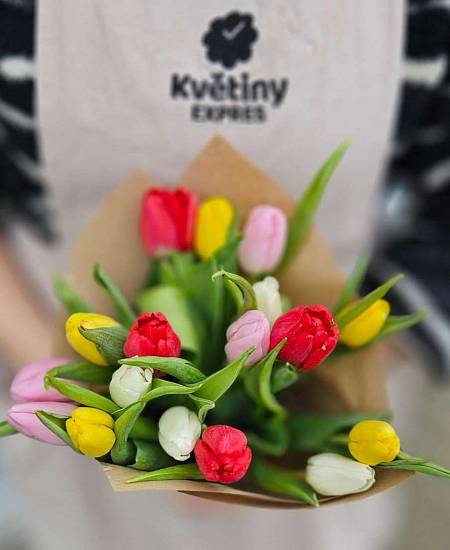
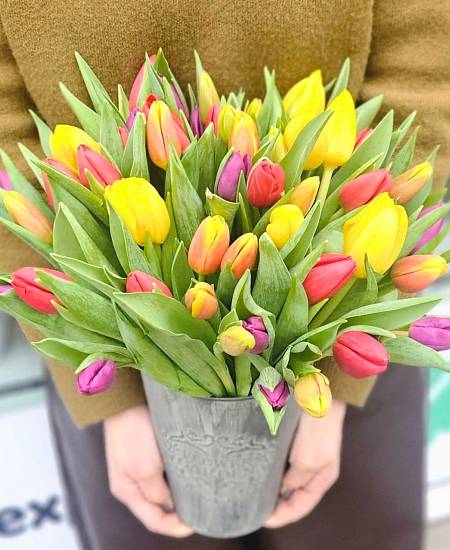
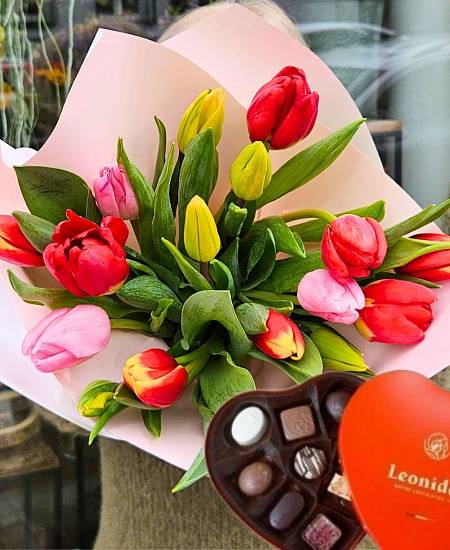
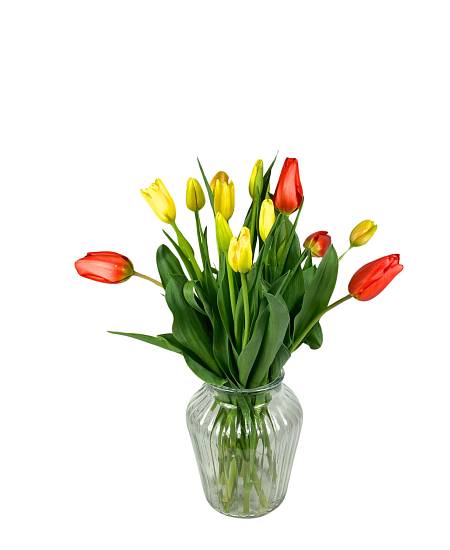
- A wide color palette: We offer tulips in both soft and bold tones – from white, pink, and yellow to deep red, orange, or purple.
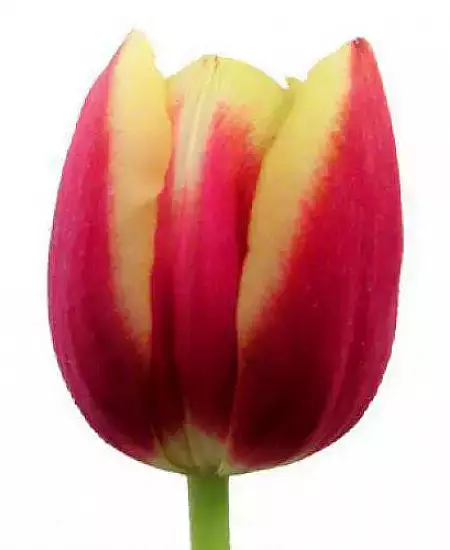
- XL tulips: Large-flowered tulips for exceptional bouquets that impress with their size and beauty.
- Seasonal bouquets: Combined arrangements with tulips, daffodils, irises, or ranunculus, ideal for any occasion.
Color Symbolism: What Are You Saying With a Bouquet of Tulips?
The tulip is a messenger of spring, hope, and new beginnings. But its color changes the meaning:
-
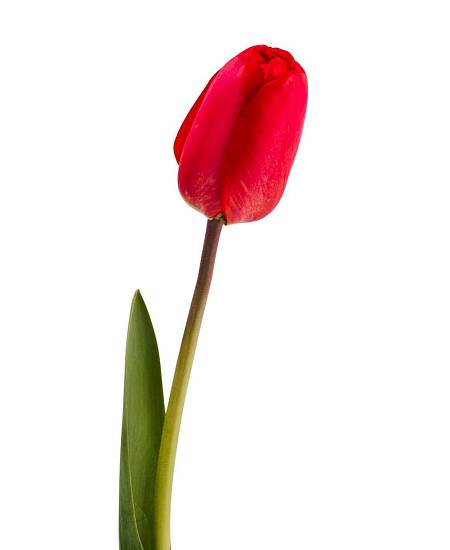
Red: A declaration of true love and passion (an alternative to roses).
-
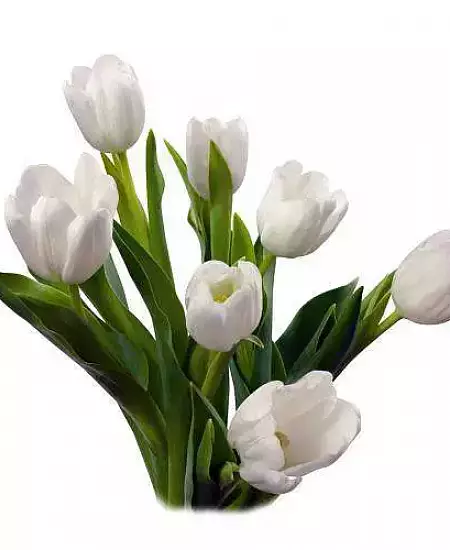
White: Purity, an apology ("I'm sorry"), and respect.
-
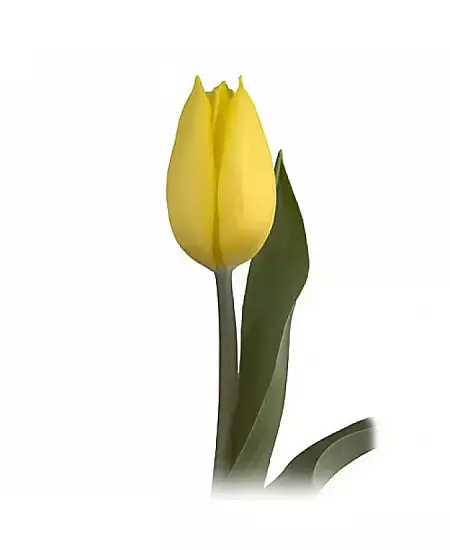
Yellow: It used to symbolize hopeless love; today it's a symbol of joy, sunshine, and friendship.
-
Purple: A royal color, symbolizing elegance and admiration.
-
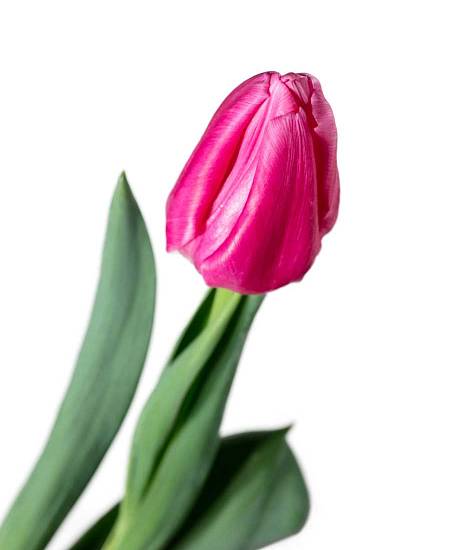
Pink: Happiness, affection, and care.
Expert Tips: How to Care for Tulips in a Vase?
Tulips are unique in the flower world. They're among the very few flowers that keep growing even after being cut.
-
Not much water: Tulips love water, but they can't stand "swimming" in it. Put only 3–5 cm of cold water in the vase. If there's too much, the stems will soften and bend.
-
Growth in the vase: Expect the tulip to stretch by as much as 2–5 cm in the vase and to turn itself toward the light. It's a "living" bouquet that keeps changing shape.
-
Watch out for fruit: Don't place the vase next to a fruit bowl. Ethylene gas from apples or bananas causes flowers to fade quickly.
-
Piercing the stem: An old florist's trick – if you want to stop a tulip from growing, pierce the stem with a pin just below the head. (We'd recommend letting nature take its course, though – that movement is one of the most beautiful things about tulips.)
Whether you're looking for a colorful bouquet of tulips just for joy, or an elegant bunch of white tulips for an anniversary, with Dutch tulips you can count on the very highest quality.
Team KvětinyExpres.cz
