The common primrose (Primula veris), also known by folk names like cowslip, peggle, or St. Peter's herb, is one of the first heralds of spring, bringing a breath of freshness back into nature after a long winter. This small perennial herb from the primrose family (Primulaceae) isn't just a decoration for meadows and gardens — it also carries rich symbolism and medicinal properties that people have used for centuries.
What Does the Common Primrose Look Like?
The common primrose is a fairly unassuming plant with characteristic yellow, bell-shaped flowers arranged in distinctive clusters that resemble "St. Peter's keys." Its basal rosette of leaves is felted and therefore feels soft to the touch. The flowers have a delicate, sweet scent, which isn't just a lure for insects but also the reason it's often brewed into fragrant teas.

Where Does the Primrose Grow?
The common primrose grows primarily in sunny meadows, at forest edges, and in pastures. It prefers lighter soils and is common throughout Europe, where you'll find it both in the wild and in gardens, where it's often planted as an ornamental.
The Symbolism of the Primrose
The primrose is often seen as a symbol of spring's awakening, hope, and freshness. In folk tradition it's called "St. Peter's keys," a reference to its flower cluster, said to resemble a bunch of keys. According to legend, St. Peter dropped them on the ground while opening the gates of heaven, and a primrose sprang up where they landed.
The Medicinal Properties of the Primrose
The common primrose is known for its medicinal properties, which is why people have gathered it as a valuable medicinal herb since ancient times. It contains compounds used, for example, for:
- Supporting the respiratory tract: It helps loosen mucus during coughs and colds.
- Calming the nerves: Primrose tea has mild sedative effects and helps with insomnia.
- Rheumatism: Infusions made from the leaves or roots are popular for joint pain.
When gathering it, however, it's important to take an ecological approach, since the primrose is a protected species in some regions.



How to Grow the Primrose?
The common primrose is also a popular garden plant that's easy to grow:
- Location: It prefers partial shade or a sunny spot.
- Soil: It likes lighter, well-draining soil that's rich in nutrients.
- Watering: Moderate — the soil should stay moist, but never waterlogged.
- Planting: The ideal time to plant is in spring or autumn.
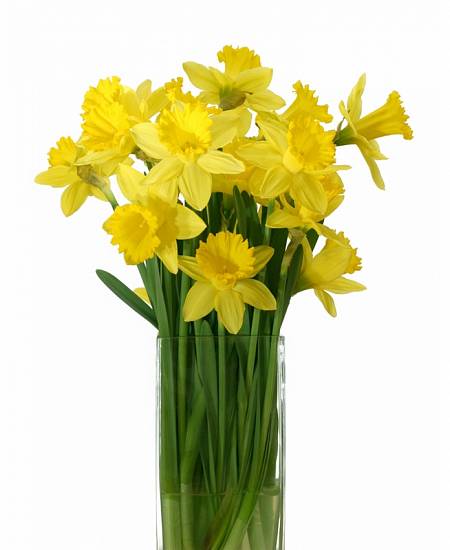
The primrose is often combined with other spring flowers, like tulips or daffodils, creating gorgeous, colorful flower beds.
Fun Facts About the Primrose
- Origin of the name: The Czech word "prvosenka" comes from the Old Czech "prvosen," a reference to it being one of the very first flowers to bloom in spring. In English, "primrose" comes from the Latin "prima rosa," meaning "first rose."
- Culinary use: The young leaves of the primrose are edible and can be added to spring salads.
- A protected species: In some European countries, the common primrose is protected, as its natural habitat is under threat.
Summary
The common primrose (Primula veris) isn't just a beautiful herald of spring — it's also a valuable medicinal herb with rich symbolism. Thanks to how easy it is to grow, it's an ideal choice for gardens and natural corners alike. If you want to welcome spring into your garden, the primrose is the right choice!
Give it a chance and let your garden bloom with this delicate yet magical plant.
Team KvětinyExpres.cz
