Author: Monika, owner of KvětinyExpres.cz · Updated: August 2026
Edible Flowers: Flowers Belong on Your Plate Too. Which Ones Are Safe?
Eating flowers isn't anything new, even though Instagram might make it seem that way. In many cultures (such as Mexico or parts of Asia), it's an age-old tradition. Today we're returning to it — and not just in the kitchen. Flowers today mostly serve as decoration: they adorn plates, cakes, and cocktails, and quite a few of them also regularly appear directly in our bouquets and arrangements, without you ever suspecting they're edible too. After all, food needs to not just taste good, but look good too, and nothing brightens up a birthday cake or a summer salad quite like colorful blooms.
The Golden Rule of Safety
Never eat flowers bought at a regular flower shop! Cut flowers (roses, chrysanthemums, tulips) meant for a vase are grown for decoration. They're chemically treated to survive transport and stay fresh longer. These substances aren't edible.
Where should you get edible flowers, then? Only from your own garden (where you don't use chemicals), from a meadow (well away from roads), or from specialized sections in grocery stores (Makro, farmers' markets).
Flowers You Eat Without Even Knowing It
You might think you've never eaten a flower. Think again.
Broccoli and cauliflower: These are unopened flower clusters.
Artichoke: It's the bud of a thistle-family plant — and not just on a plate. In our floristry, we use it a lot as a striking element directly in bouquets and arrangements too, where its waxy structure keeps it fresh for a long time.
Cloves: This spice is a dried bud from a tropical tree.
Capers: The buds of the caper bush.
Ornamental kale/cabbage (Brassica): Those gorgeous rosettes in shades of purple and cream that you know from autumn and winter arrangements are related to regular cabbage — and are fully edible. We use them mainly for decoration, but feel free to cook them as leafy greens too.

Popular Edible Flowers for Your Kitchen
Which species taste best, and how do you use them? (And this is far from all of them — there are many more edible species, this is just a selection of the most accessible ones.)
1. Rose (The Queen of Flavors)
All rose varieties are edible (as long as they haven't been sprayed).
Taste: Sweet, perfumed, fruity.
Use: The petals work well in jams, syrups, or as a garnish for desserts.
Tip: Remove the white base of the petal, which tends to be bitter.
2. Nasturtium (A Spicy Hit)
An orange flower you'll find in many gardens.
Taste: Distinctly peppery, reminiscent of radishes or watercress.
Use: Perfect in vegetable salads, with cheese, or on open sandwiches. The leaves are edible too.
3. Violet and Pansy (For Cakes)
The most popular choice among pastry chefs for decorating cakes.
Taste: Delicate, slightly sweet, "grassy."
Use: Candied violets are a luxurious treat. Fresh pansies look gorgeous on cupcakes or in ice cubes for drinks.
Inspiration for Your Table
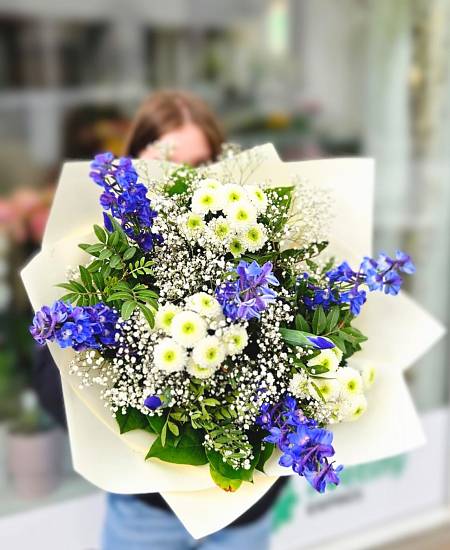
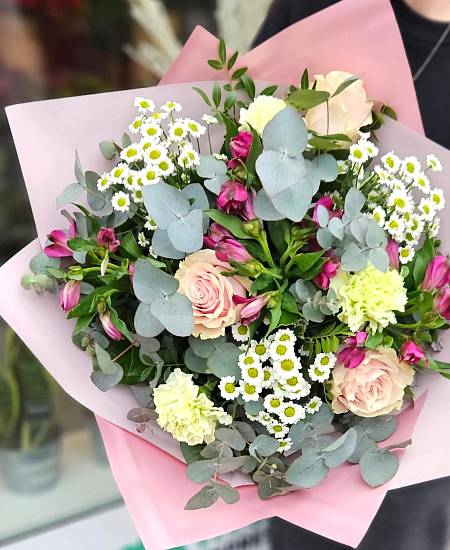
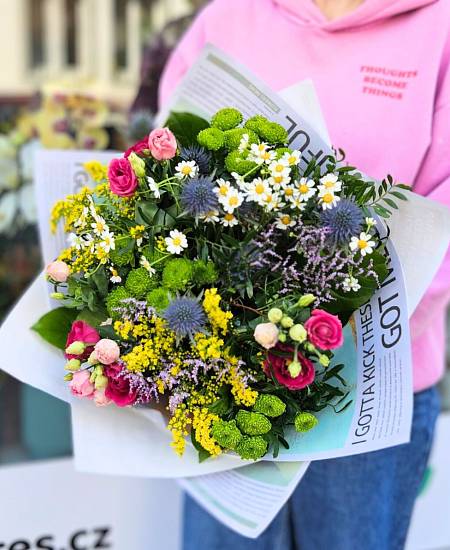
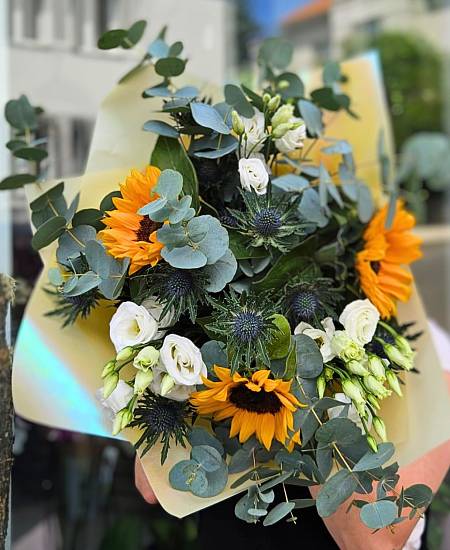
While you're cooking with edible flowers, decorate the table with ornamental ones.
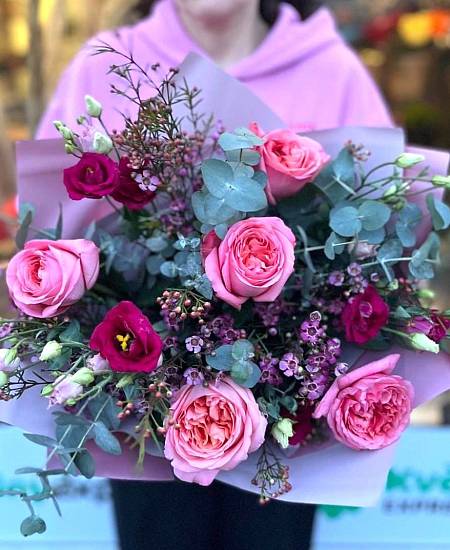
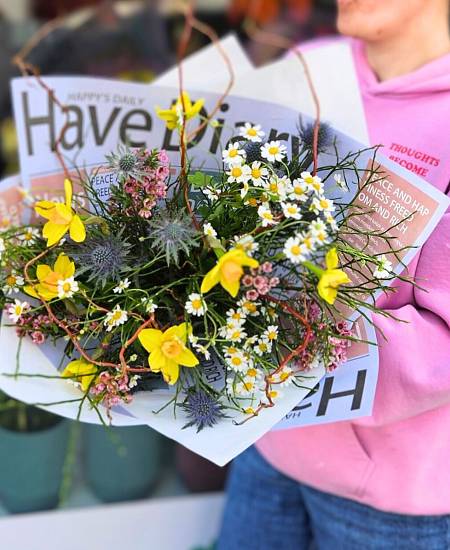
4. Daisy and Dandelion (From the Meadow)
Daisy: A nutty flavor. Tossed into soups or salads.
Dandelion: Its flowers are used to make honey. The young buds can be pickled like capers.
5. Borage and Begonia
Borage: Its blue flowers taste like cucumber. Ideal in summer drinks (Gin & Tonic).
Begonia: Careful, not every begonia is safe! Shrubby begonias and Begonia × elatior are edible (they have a sour, lemony taste that freshens up a salad) — but the common balcony Begonia semperflorens is entirely toxic. If you're not sure of the species, better skip begonia altogether. Even with the edible species, people with gout or kidney stones shouldn't eat them.
A Nutritional Powerhouse? What Do Flowers Contain?
It's not just about looks. Edible flowers are healthy. They're made up of about 80% water (so they're low in calories), but they contain:
Vitamins A and C: Mainly in yellow and orange flowers (marigold, squash blossom).
Minerals: Potassium, iron, phosphorus.
Antioxidants: The more colorful the flower, the more antioxidants (flavonoids) it contains.
3 Tips for Cooking With Them
Ice cubes: Place a small flower (a violet, a daisy) into an ice cube tray, cover with water, and freeze. Your lemonade will look world-class.
Flower sugar: Layer rose or lavender petals with granulated sugar and leave in a sealed jar for a week. The sugar will absorb the fragrance.
Freshness: Pick flowers in the morning, when they're full of water. If you're not using them right away, keep them in a bowl of water in the fridge (like cut herbs).
Whether you're planning a celebration or just dinner, flowers elevate food into an experience. (And for that table vase, stop by our shop.)
Whether you're planning a celebration or just dinner, flowers elevate food into an experience. (And for that table vase, stop by our shop.)
Team KvětinyExpres.cz
