Choosing the right vase isn't just about design. It's about physics and hygiene. The wrong vase can cut your bouquet's lifespan in half, or even cause it to tip over and get ruined.
At Květiny Expres, we often see customers invest in beautiful flowers, only to put them in an unsuitable container at home. That's why we've put together a guide to help you choose the right one — for roses, tulips, and wildflowers alike.
1. Material: Why Does Glass Win Over Ceramic?
Although ceramic can look stylish, from a florist's point of view, glass (or good-quality crystal) has a huge advantage.
-
You can see the water level: Flowers like sunflowers or roses drink a lot of water. In an opaque vase, it's easy to forget to top up the water and the flower wilts.
-
Hygiene: Glass has a smooth surface where bacteria don't cling. Plastic vases get scratched over time, and bacteria multiply in the micro-scratches, clogging the flowers' stems.
-
Stability: Glass is heavy. A sufficiently heavy base is a must, so a vase with a large bouquet doesn't tip over.
Tip from florist Bára: "Before you fill a vase with water, always wash it out with a drop of bleach, or run it through the dishwasher. Even a small residue from a previous bouquet will speed up the rotting process for the new one."
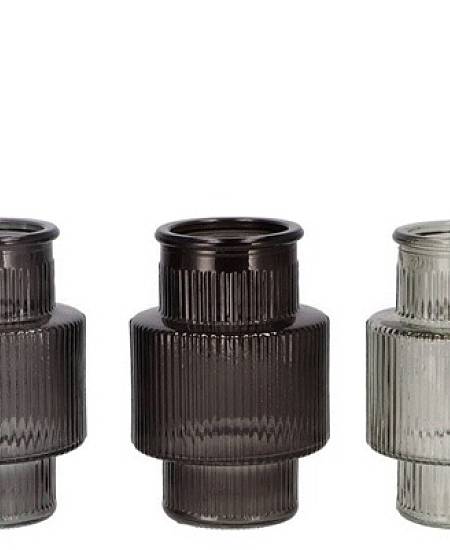
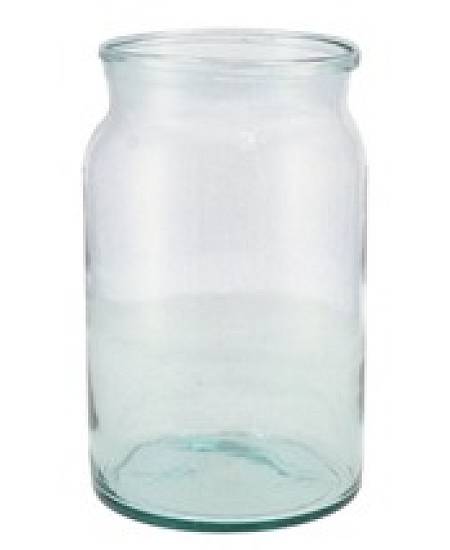
Stylish Glass Vases
2. Vase Shape: Which One Suits What?
The shape of the neck and the height of the vase determine how the bouquet will look and how well it will thrive.
A) Tall Cylinder
Ideal for flowers with long, sturdy stems.
Good for: Roses (long-stemmed), lilies, gladioli, amaryllis.
Why: It provides support along the stem's entire length, so it doesn't bend and holds an upright, elegant shape.
B) Hourglass (Narrow Neck, Wider Base)
The most versatile shape for most bouquets.
Good for: Mixed bouquets, wildflowers, gerberas.
Why: A wider base holds plenty of water and stems, the narrower neck holds the bouquet together (so it doesn't spread apart), and the wider top lets the blooms breathe and open up.
C) A Sphere or Low, Wide Vase
A tricky shape that only suits specific species.
Good for: Tulips, hydrangeas, short-stemmed peonies.
Why: Tulips keep growing and curving in a vase. A low vase gives them room to "dance." Hydrangeas, meanwhile, need plenty of water and support right beneath their heavy blooms.

3. Size and Proportion (The Golden Rule)
How big should the vase be? Florists follow a simple rule: the vase should make up roughly a third to a half of the arrangement's total height.
-
If the vase is too small, the bouquet will visually "smother" it and risks tipping over.
-
If the vase is too big, the flowers will "drown" in it and lose their lush effect.
Beautiful for Years to Come (An Investment That Pays Off)
You're not buying a vase for a week. A quality glass vase is a timeless interior accessory that will serve you for years. We recommend having at least two sizes at home:
-
One taller and heavier one (about 25–30 cm), for special-occasion rose bouquets.
-
One medium-sized and wider one for everyday joys, like tulips or spring mixes.
Next time you order flowers online, don't forget to add the right vase to your cart too. It's the best home you can give your flowers.
Choose the right vase at KvětinyExpres.cz
