Tip from our expert Andrea: "Whether you're picking out a new green beauty for your home or planning to give one as a gift, a healthy plant is the absolute basics. A lot of people choose with their eyes only, going by shape, but its real condition is hiding under the leaves and in the soil. If you're just starting out with growing plants, I'd recommend browsing our low-maintenance houseplants category, which forgives the occasional growing mistake. I'm happy to show you what to look out for when choosing one, so your plant brings you joy for years to come."
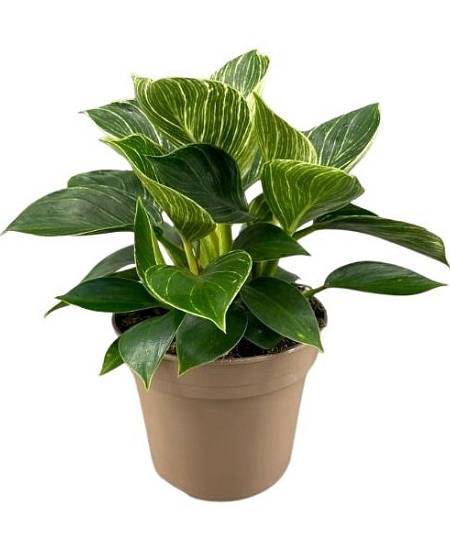
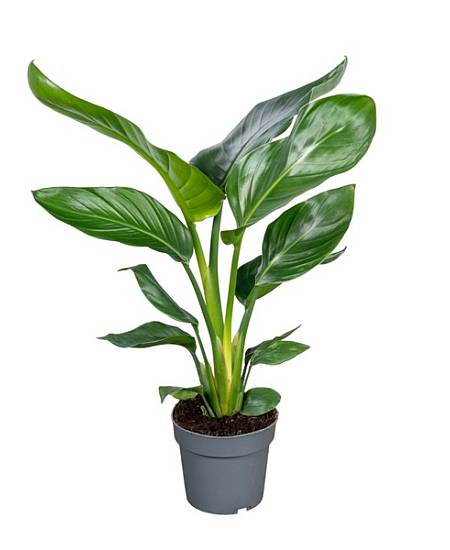
✅ First impressions tell you a lot: A healthy plant has firm leaves, rich color, and visible new growth.
✅ The real secret is in the roots: The substrate shouldn't smell of rot, and roots shouldn't be growing massively out through the bottom of the pot.
✅ Watch for uninvited guests: Always check the underside of the leaves, where small pests most often hide.
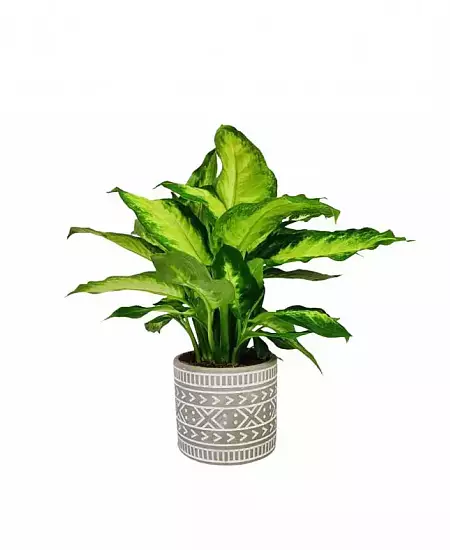
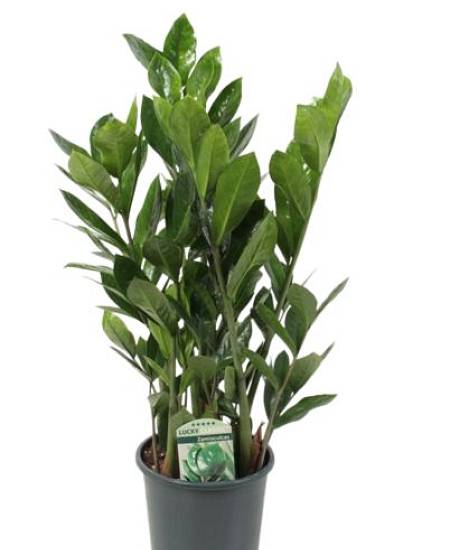
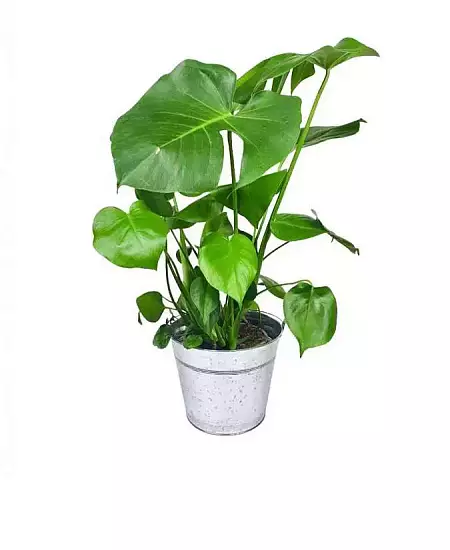
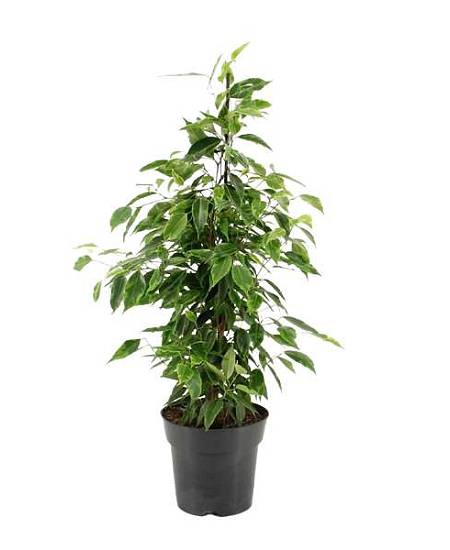
3 Steps to Reliably Spot a Healthy Houseplant
Before you take a plant home, run through this quick three-point check:
-
Check the leaves and stems: Leaves should be firm and free of any sticky coating. Warning signs include brown spots with a yellow border (often a sign of fungal disease) or unnaturally drooping leaves even though the soil is moist.
-
Look into the substrate: Gently push a finger into the soil. It shouldn't be waterlogged (resembling mud) or, on the other hand, completely bone dry. A white coating on the surface can be harmless mineral deposits from water, but it can also be early-stage mold.
-
Check for pests: Look into the leaf axils and the underside of the leaves. Fine webbing points to spider mites, and small white fluffy tufts (looking like cotton wool) point to mealybugs. Put a plant like that straight back on the shelf.
The Most Common Houseplant Diseases and Pests (How to Spot and Neutralize Them)
Even the best growers occasionally end up with a sick houseplant. Problems fall into three basic groups — poor care, fungal infections, and insect pests. What do the most common warning signs mean?
1. Fungal and Bacterial Diseases
These diseases most often arise in poorly ventilated rooms and from overwatering.
-
Root rot: Killer number one, hands down. It shows up as sudden yellowing and leaf drop, with the substrate wet and smelling foul. Fix: Repot the plant into dry substrate immediately and remove the rotted roots.
-
Powdery mildew: Looks as if someone dusted the leaves with white flour. It forms when temperature and humidity fluctuate. Fix: Reduce misting and apply a fungicide spray.
-
Gray mold (Botrytis): A grayish-brown coating on leaves or flowers. Often attacks already-weakened plants. Affected parts need to be cut off immediately.
2. Insect Pests
If a plant is struggling and the leaves are curling, look for uninvited guests.
-
Spider mites: Microscopic spider-like pests. You can spot them by fine webbing in the leaf axils and tiny pale specks on the leaf blade. They hate moisture — shower the plant and raise the air humidity.
-
Fungus gnats: Small black flies flying around the pot. Drawn in by overly moist soil, where they lay larvae that nibble on the roots. Fix: Let the substrate dry out and use yellow sticky traps.
-
Mealybugs and scale insects: Look like small white cotton-wool tufts or brown scabs stuck to the stems. They suck sap from the plant. Removing them by hand with a cotton swab dipped in alcohol or soapy water helps.
3. Physiological Problems (Care Mistakes)
-
Brown, dry leaf tips: The plant is telling you the air in the room is too dry. The fix is regular misting.
-
Fading leaves and leggy stems: The plant is desperately searching for light. Move it closer to a window.
Our final tip: If you're not sure what to choose and don't want to fight pests, go for a proven survivor. Among the true indestructibles that clean the air and tolerate almost anything are Zamioculcas, pothos, or the snake plant.
Related: Low-Maintenance Houseplants for Beginners, The Most Common Houseplants.
