The Big Summer Guide: How to Care for Plants So They Survive the Heat and Bloom Beautifully
The summer months are a period of peak activity for most plants. Flowers bloom at full force, vegetables ripen, and the lawn seems to grow before your eyes. But the heat, drought, and intense sunlight place heavy demands on the grower.
Improper care during summer can quickly lead to yellowing leaves, drying buds, and overall exhaustion. Mastering summer maintenance is key to keeping your outdoor plants on the garden or balcony — and your indoor ones too — fresh and vital all the way to autumn.
We've put together an overview of the most important things to watch for in July and August.

1. Location and Light: Who Belongs in the Sun?
Plants love light, but even that has its limits. Before placing a new plant, think carefully about where you'll put it. Scorched leaves from midday sun are one of the most common summer accidents.
Full sun (6+ hours a day): This is where Mediterranean herbs (lavender, rosemary), geraniums (pelargonium), petunias, and tomatoes thrive.
Partial shade (3–5 hours): Ideal for fuchsias, hydrangeas, mint, or begonias.
Shade (less than 3 hours): A kingdom for ferns, hostas, and ivy.
An expert tip: "Create your own microclimate on the balcony. If you group several pots close together, the plants shade each other's containers (roots stay cooler), and the evaporating water creates more humid air, which does them good in the heat."
2. Water Is Worth Gold: How to Water Correctly?
In summer, water is a matter of survival. But watch out — even watering has to be done the right way. A common mistake is "sprinkling" the leaves, which doesn't help the plant much and can actually cause harm.
When to water: Morning is ideal. The plant has a reserve for the hot day ahead, and the leaves have time to dry off. Evening watering is an alternative, but it increases the risk of fungal disease and attracts slugs.
Where to water: Always straight at the roots. Water on leaves acts like a magnifying glass in the sun (burns) and like an open invitation for mold in the shade.
How to tell it's thirsty: Don't just go by drooping leaves (that can also be a reaction to heat, not dryness). Check the substrate with your finger — if it's dry to a depth of 2–3 cm, water it.
3. Nutrition: Fertilizing as a Boost for Blooms
In summer, plants spend maximum energy on growth and forming flowers or fruit. Without extra nutrients, they exhaust themselves quickly. This is doubly true for flowering houseplants, from which we expect a flood of color.
Frequency: During intense growth, fertilize every 10–14 days.
Mineral fertilizers: Fast-acting, with precise dosing (ideal for balcony plants).
Organic fertilizers: Compost, worm-cast tea, or fermented chicken manure work more slowly, but improve soil quality over the long term.
Refresh Your Summer Collection
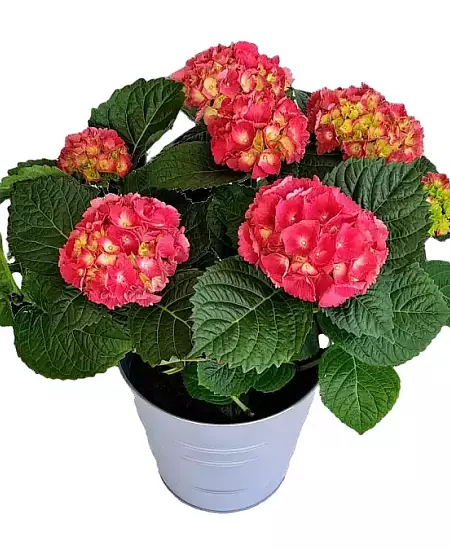
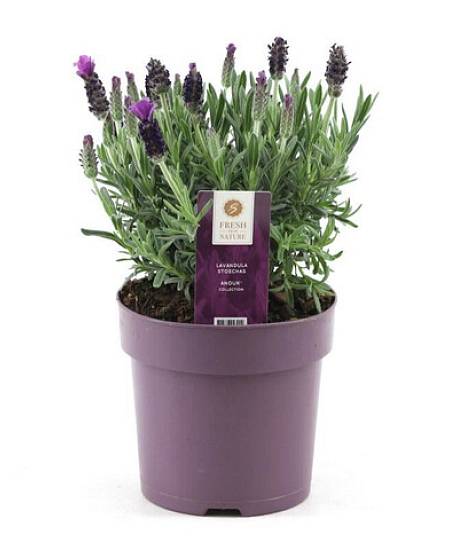
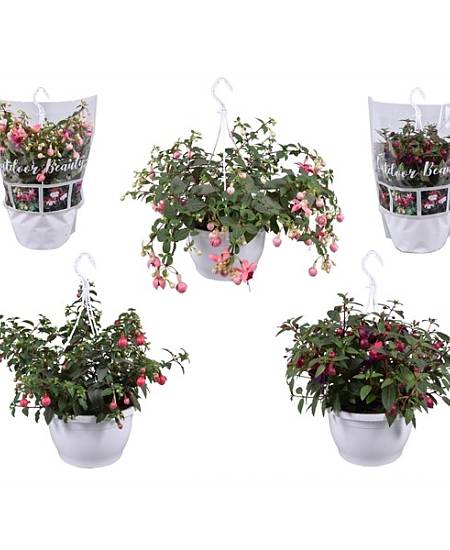
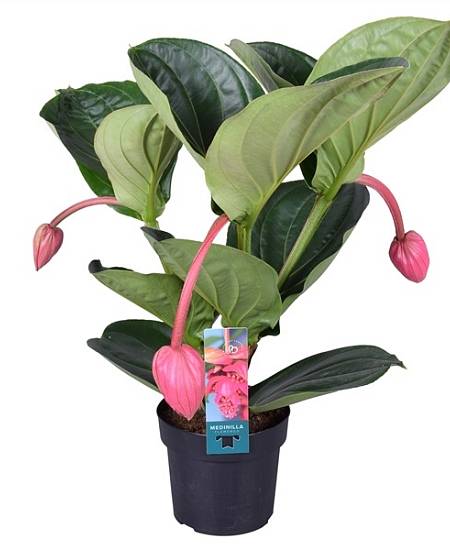
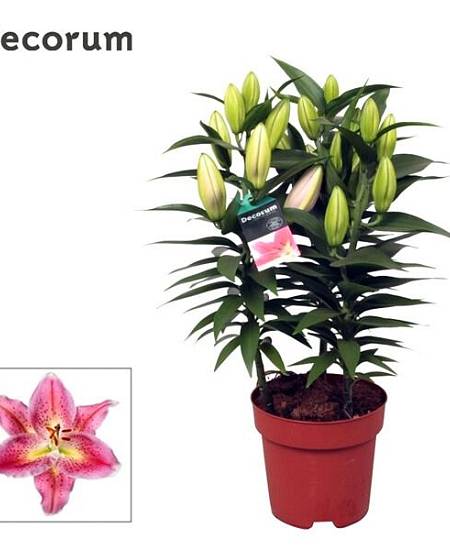
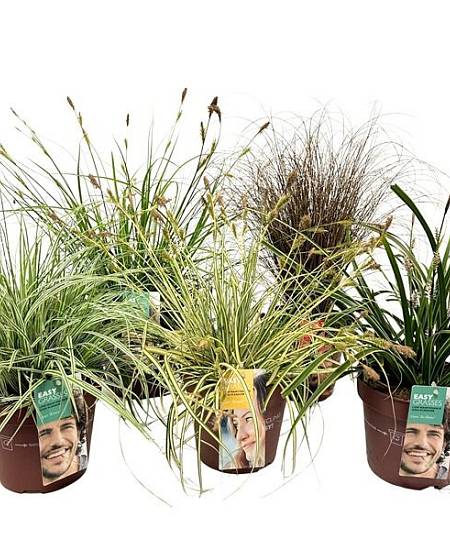
Is your balcony missing some color? We've picked out hardy beauties that love summer:
4. Care Specifics by Location
Every corner of your home needs a slightly different approach in summer.
Balcony and Outdoor Plants (Extreme Stress)
Outdoor plants in containers are exposed to wind and sun with a minimum of soil.
-
Watering: On tropical-hot days, even 1–2 times a day.
-
Deadheading: Regularly remove spent flowers. This way the plant won't invest energy into forming seeds, but into setting new buds instead.
The Garden (Fighting Drought)
-
Mulching: This is a lifesaver for gardeners. Cover the soil around plants with a layer of bark, straw, or cut grass. It retains soil moisture and prevents weed growth.
-
Pruning shrubs: Summer pruning of spent shrubs encourages a compact shape.
Houseplants (Watch Out for Glass)
Even houseplants don't get a break in summer.
-
Shading: Sun through window glass burns much more intensely. Close the blinds, or move sensitive plants farther from the window.
-
Summering outdoors: Ficus trees, cacti, and dracaenas love a "summer apartment" on the balcony or terrace. Just watch out — get them used to the sun gradually (start in shade), or they'll get scorched.
5. First Aid: Pests and Extreme Heat
Unfortunately, hot, dry weather also favors your enemies.
-
Aphids: A strong stream of water is often enough to wash them off. If that doesn't work, try a spray of soapy water or nettle infusion.
-
Spider mites: Given away by fine webbing and yellowing leaves. They love dry conditions, so misting and raising humidity helps.
-
Extreme heat: If a heat wave is forecast, don't hesitate to shade your plants during midday (with a parasol or garden fleece). Ventilate greenhouses and conservatories nonstop.
With a bit of care and a watchful eye, both you and your plants will handle summer with ease. We wish you happy growing!
The KvětinyExpres.cz team
