5 Best Bedroom Plants: Clean Air and Better Sleep
Did you know the air quality in your bedroom has a direct effect on how rested you feel when you wake up? We often invest in expensive mattresses and blackout curtains, but forget the simplest natural solution — the right houseplants.
Tip from florist Jana (our houseplant expert): "There's still an old myth going around that flowers don't belong in the bedroom because they 'breathe our air' at night. The amount of oxygen an average plant consumes is negligible. In fact, the species we've picked actually produce oxygen at night and work as efficient biological air purifiers. In 2026, a bedroom without greenery is considered wasted health potential."
Based on studies (including the famous NASA study) and our own experience, we've picked 5 favorites that'll help you breathe easier.

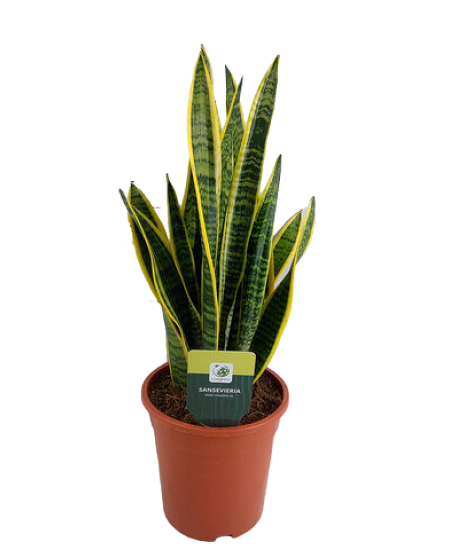
1. Snake Plant (Sansevieria) — The Overnight Oxygen Factory
If you were only allowed one single plant in your bedroom, this is the one. The snake plant is unique thanks to a specific type of photosynthesis (CAM). While most plants rest at night, Sansevieria starts working right after dark.
✦ Why it belongs in the bedroom: It raises oxygen levels while you sleep and actively removes formaldehyde and benzene released by furniture.
✦ Difficulty: Ideal for beginners. Tolerates shade, dry air, and irregular watering.
✦ Safety: Note — it's mildly toxic to pets.
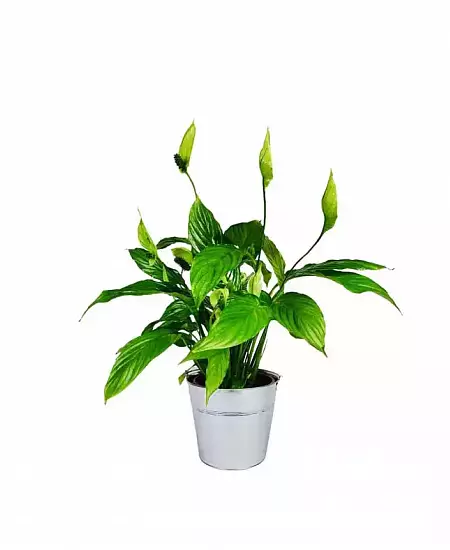
2. Peace Lily (Spathiphyllum) — A Natural Humidifier
Struggling with dry winter air, a morning cough, or dried-out sinuses? The peace lily is a master of water evaporation. It can naturally raise room humidity by up to 5%, which benefits your airways while you sleep.
-
Why it belongs in the bedroom: Besides humidifying, it absorbs mold spores and harmful substances from the air.
-
Tip from florist Jana: "The peace lily is a very communicative plant. When it's thirsty, its leaves droop. Water it, and within an hour it proudly stands upright again."
-
Safety: The peace lily contains oxalates. If you have pets at home, read our article: Safe vs. Toxic Plants for Pets.
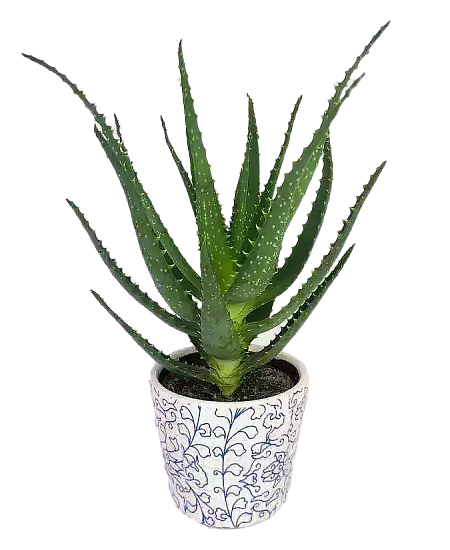
3. Aloe Arborescens (Aloe) — An Indicator of Clean Air
This succulent beauty is known for its healing effect on burns, but it's also a great air-quality watchdog. Just like the snake plant, aloe releases oxygen overnight too, which supports deeper sleep.
-
Why it belongs in the bedroom: It acts as an "alarm." If there are too many pollutants in the air, brown spots can appear on Aloe's fleshy leaves. That's its way of signaling that the room needs more ventilation.
-
Placement: It loves light, so its spot is on the windowsill.
Choose a Healthier Home
These plants aren't just decoration — they're an investment in your health. Browse our selection:
4. Dieffenbachia — A Powerful Toxin Trap
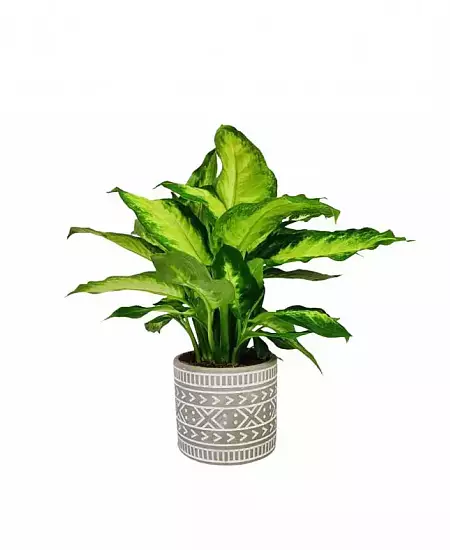
Looking for a big-leaved plant that looks majestic indoors? According to the NASA study, Dieffenbachia is one of the most effective plants for removing xylene and toluene from the air.
✦ Why it belongs in the bedroom: Its large leaves act as an effective filter, capturing dust and microscopic particles.
✦ Safety warning: Dieffenbachia's sap is strongly irritating. We recommend placing it somewhere elevated (a cabinet, a shelf), out of reach of children and pets.
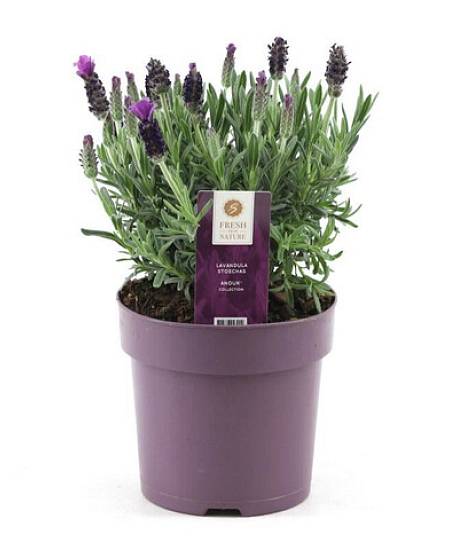
5. Lavender (Lavandula Stoechas) — Against Stress and Insomnia
While the previous plants clean the air physically, lavender works on your mind instead. Its scent has been shown to lower heart rate, blood pressure, and levels of the stress hormone cortisol.
-
Why it belongs in the bedroom: Studies show that gently inhaling lavender's scent helps you fall asleep and increases the share of deep (REM) sleep. You'll wake up more energized as a result.
-
Indoor care: Potted lavender needs maximum sun. In winter, don't place it directly above a radiator — a cooler, bright windowsill is better.
How Many Plants Is Just Right?
For a noticeable air-cleaning effect in an average bedroom (about 20 m²), we recommend 2 to 3 well-grown plants.
✦ Placement: According to Feng Shui principles, plants shouldn't be too close to your head (less than 1 meter from the pillow), so their growth energy doesn't disturb your rest.
✦ Ideal spot: On a dresser across from the bed, on a windowsill, or in a corner of the room, where they can quietly work on the purity of your sleep.
We wish you sweet dreams and fresh air! Your KvětinyExpres.cz team
