Houseplants for Shady Spots: Ideal for Dark Corners and Hallways
Do you have dark corners at home, a windowless hallway, or an office with minimal natural light? You don't have to give up on greenery. Houseplants for shade are the perfect choice.
These low-maintenance varieties often grow in the undergrowth of rainforests in nature, so they're used to a lack of sunlight. They thrive beautifully on north-facing windows or in corners of a room where the sun never reaches.
Indestructible Shade Plants (In Stock)
These plants will forgive you when you forget about them, and they don't mind the dim light.
TOP 7: Popular Houseplants That Love Shade
Which varieties should you choose to be sure they won't die on you?
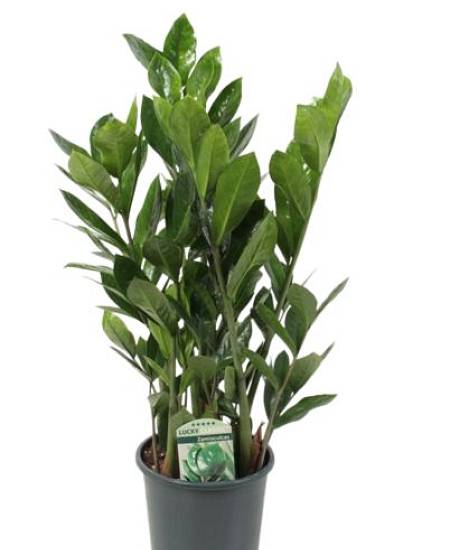
1. Zamioculcas (ZZ Plant): The King of Shade
If you're looking for a plant you truly can't kill, this is it. It has dark green, waxy leaves that reflect even the small amount of light that reaches them.
-
Advantage: It's the ideal office plant, or a great fit for forgetful growers.
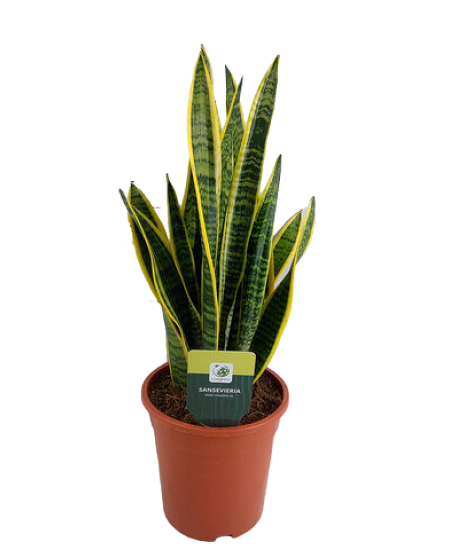
2. Sansevieria (Snake Plant)
A retro classic that's back in style. It's practically indestructible.
-
Where to put it: A great bedroom plant, since it even produces oxygen and purifies the air at night.
3. Pothos
A fast-growing climber. Even in shade it can produce long trailing vines.
-
Tip: In full shade, the leaves lose their variegation and turn plain green, but the plant will survive.
4. Dracaena
An elegant plant with narrow leaves that gives an interior an exotic look. It grows more slowly in shade, which is often an advantage — it won't outgrow its spot on you.
5. Aspidistra (Cast Iron Plant)
As the name suggests, it can handle anything — drafts, cold, smoke, and deep shade. A true survival master for dark hallways.
6. Maranta and Calathea
They have beautifully patterned leaves. They're known as "prayer plants" — their leaves fold upward at night. They need shade, but also higher air humidity.
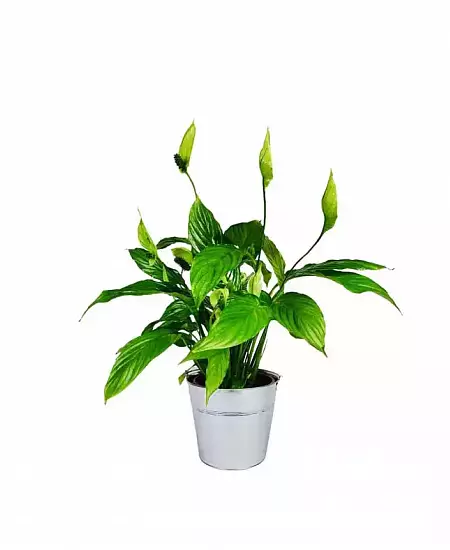
7. Peace Lily (Spathiphyllum)
One of the few plants that will actually bloom in shade. Its white spathes contrast elegantly with the dark green foliage.

How to Care for Shade-Loving Houseplants
-
Placement:
Shade houseplants thrive best in north-facing windows or rooms without direct sunlight. Artificial light is also a great substitute. -
Soil:
Use a light, well-draining soil. A mix with a high content of organic matter and perlite is ideal. -
Watering:
Water the plants once the top layer of soil has dried out. Shade plants need less water than plants in direct light. -
Fertilizing:
Use a low-nitrogen houseplant fertilizer, so the plant gets enough nutrients without being overfed. -
Pest protection:
Regularly check your shade houseplants for signs of pests, such as spider mites or aphids, which can attack plants in more humid environments.
A Florist's Tip: The Most Common Mistake? Water!
Customers often think that a plant in the shade is struggling, so they water it more. That's a fatal mistake.
The rule: "A plant in the shade photosynthesizes more slowly. That means it 'drinks' far less water than one in the sun. If you water it as often as the plants on your windowsill, its roots will rot. How should you water it? Always wait until the substrate has dried out completely (stick a finger 2 cm into the soil to check). For a Zamioculcas in shade, watering just once every 14 days is plenty."
Why Get Shade Plants?
-
They bring dead spots to life: They make cozy corners where other decor just wouldn't fit.
-
They purify the air: Most shade-loving plants (snake plant, peace lily) act as a natural air purifier.
-
Minimal care: They're the ideal plants for beginners.
Turn your dark corners into a green oasis.
CHOOSE A HOUSEPLANT >
Team KvětinyExpres.cz
