Which Water Keeps Cut Flowers Fresh the Longest? The Science of Hydration
Caring for cut flowers in a vase is a bit of alchemy. Many people focus on the bouquet's looks, but forget that water is the only source of life for a cut plant. Choosing the right water and understanding its physical properties determines whether your bouquet lasts just a few days, or whole weeks. Forget the common myths — let's look at what real science and professional experience say about plant hydration.
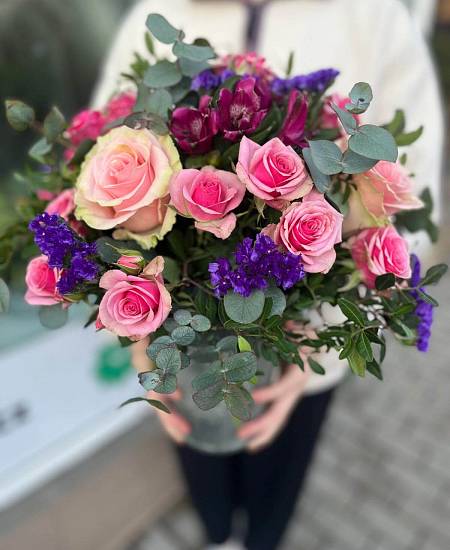
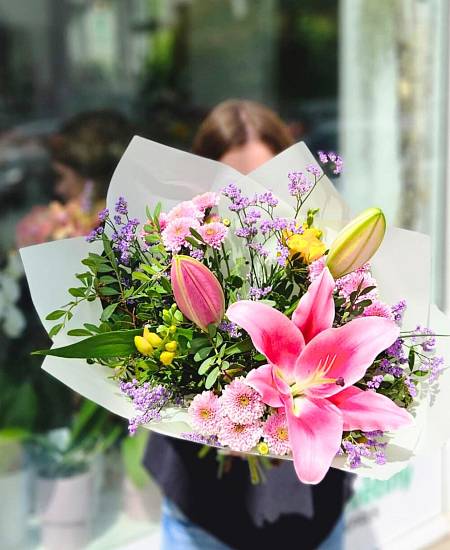
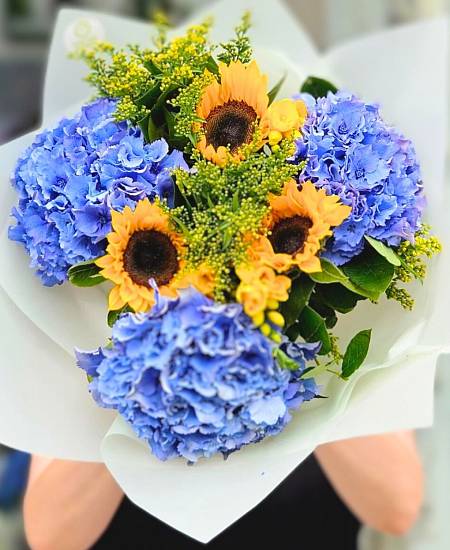
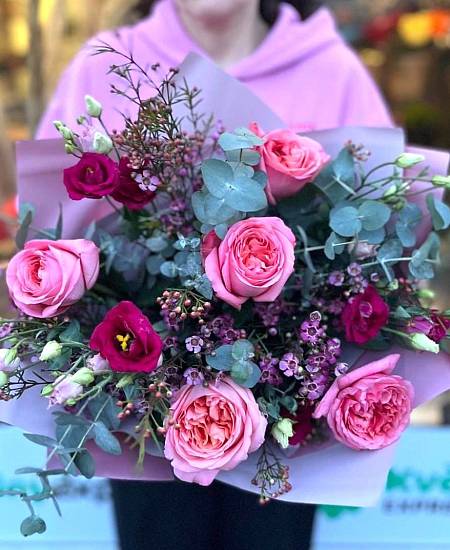
Tip from our florist Monika (Quality Assurance Lead): "The first and most important step after bringing a bouquet home is giving it a proper drink. People often make the mistake of automatically putting flowers into ice-cold water. But the science clearly favors a lukewarm start. The right temperature can extend a plant's lifespan by whole days — whether you've chosen a colorful seasonal flower bouquet just for the joy of it, or you're sending someone a grand birthday bouquet. With us, you can also choose cut flowers by the exact quantity you need — and when it comes to declarations of love, the timeless red rose is always a safe bet. To make the road to freshness easier for you, our Airway courier service delivers every order in air-conditioned vehicles and constantly in water. This way flowers don't suffer any temperature shock and arrive to you in absolutely perfect condition."
Ensure maximum flower freshness:
✅ Constant hydration: We transport flowers in water the entire time in our Airway vehicles.
✅ We include professional flower food to treat the water for free with every bouquet.
✅ FREE shipping on orders over 1,299 CZK.
Choose Fresh Flowers
Whether you're after a giant bouquet or just a few stems to enjoy, freshness is guaranteed with us:
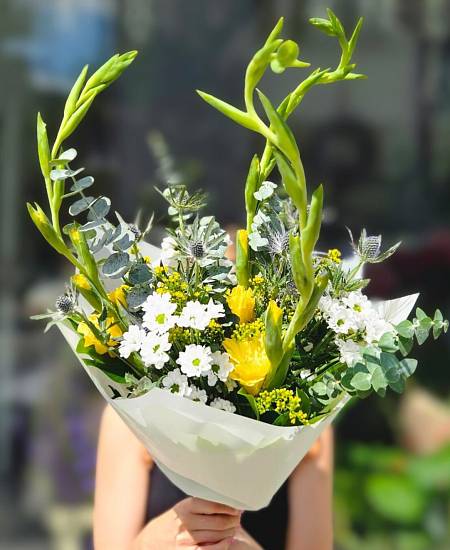
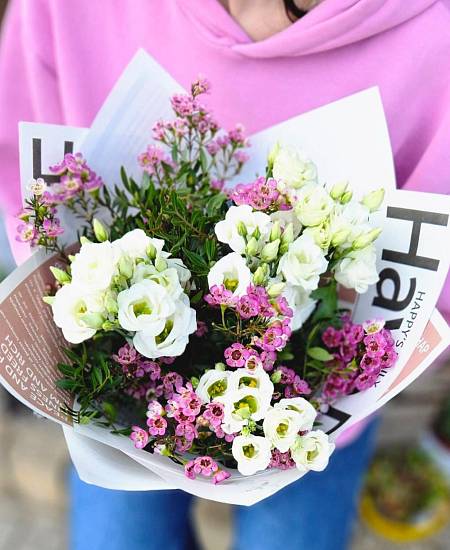
The Science of Temperature: Why Does Lukewarm Water Win for the First Drink?
It might surprise you, but for the first, absolutely critical hydration of freshly cut flowers, the ideal choice is lukewarm water at around 35–40 °C (roughly human body temperature). Why not ice-cold? The answer lies in the physics and biology of plant tissue:
Lower viscosity: Molecules in warm water move considerably faster than in a cold liquid. Warm water is, loosely speaking, "thinner," which lets a tired flower draw it up through the stem much faster and more efficiently.
Vessel expansion: Mild warmth helps loosen and widen the vascular bundles (the tiny capillaries in the stem), making it easier for water to flow smoothly all the way up to the bud itself.
This process works like a quick infusion, instantly restoring strength and turgor (internal cell pressure) to flowers dehydrated by their journey.
An important florist's distinction: Lukewarm water is only great for the first drink (roughly for the first hour). Once the flower has fully hydrated and firmed up, switch to cooler water for its ongoing life in the vase. Cooler water naturally slows the plant's metabolism (so it wilts more slowly) and effectively hinders the rapid growth of rot-causing bacteria.
Tap Water Quality: Watch Out for Chlorine and Micro-Threats
Regular Czech tap water is high quality for people, but it hides two technical pitfalls for the sensitive stems of cut flowers:
Chlorine, the Enemy of Stems
This disinfecting component, added to drinking water, doesn't sit well with sensitive plant vessels and can irritate them. Use a simple trick: fill the vase with water at least an hour before putting the flowers in. The chlorine will naturally and safely evaporate from the surface into the air.
The Mechanical Killer: Air Bubbles
If you fill the vase from the tap too forcefully, the water is full of microscopic air bubbles (the water looks briefly white). If you put flowers into such water immediately, these bubbles attach to the fresh stem cut, enter the capillaries, and mechanically block water uptake (creating what's called a stem embolism). Let the water sit for a while, and the bubbles disappear, leaving the pathways clear.

The pH Secret: Why Always Add Professional Flower Food?
Customers often ask us whether it's actually worth pouring in that little sachet of powder we include free with every bouquet. From a chemistry standpoint, it's absolutely essential. And it's not just plain sugar.
Flowers in a vase demonstrably benefit from a mildly acidic environment (ideally pH 3.5–5.0). In acidic water, rot-causing bacteria and mold — which would otherwise clog the stem's capillaries within a few hours and cause premature wilting — reproduce much more slowly.
The professional flower food we include with every bouquet contains a precisely balanced mix of:
Citric acid: To instantly lower the water's pH to the optimal acidic level.
Disinfecting agents: Which keep the water crystal clear.
Carbohydrates: Which serve as direct nutrition for the buds, so they can fully open up and develop their color.
A warning about old wives' tales: If you were to pour plain household sugar into the water, you'd achieve the exact opposite effect. Sugar without a disinfecting component creates a perfect nutrient solution for bacteria in the vase. The water will go bad within 24 hours, and the bouquet will die off much faster.
Understanding the science behind an ordinary vase of water lets you enjoy the beauty of flowers for many times longer.
Want to master all the other care steps too, on top of the perfect water? Head over to our complete guide, How to Care for Cut Flowers, where our florists laid out 7 golden rules — from vase cleanliness to the right placement in your interior.
With love for fresh flowers, Monika, Bára, Jana, Andrea, and the whole KvětinyExpres.cz team
